La Forêt Invisible (The invisible Forest)
11 minute composition about perceiving the invisible. Related to Iceland’s Huldufolk, or hidden people, who can make themselves visible at will. Stones are often seen as Huldufolk in Iceland, or dwelling places of elves, and "if you are not sure if someone is a Huldufolk, if you see them come and go out of a rock, you know". Based on the Icelandic folk song Amma Raular í Rökkrinu by Ingunn Bjarnadóttir (1905-1972), in which a lyric says “no one knows where the wishing stone lives” reveals a quest to find something hidden. Searching for something that we don’t know exists, finding new paths through the unknown invites different ways of looking at the same obstacles in order to be set free from repeating patterns, and enter into new realities.
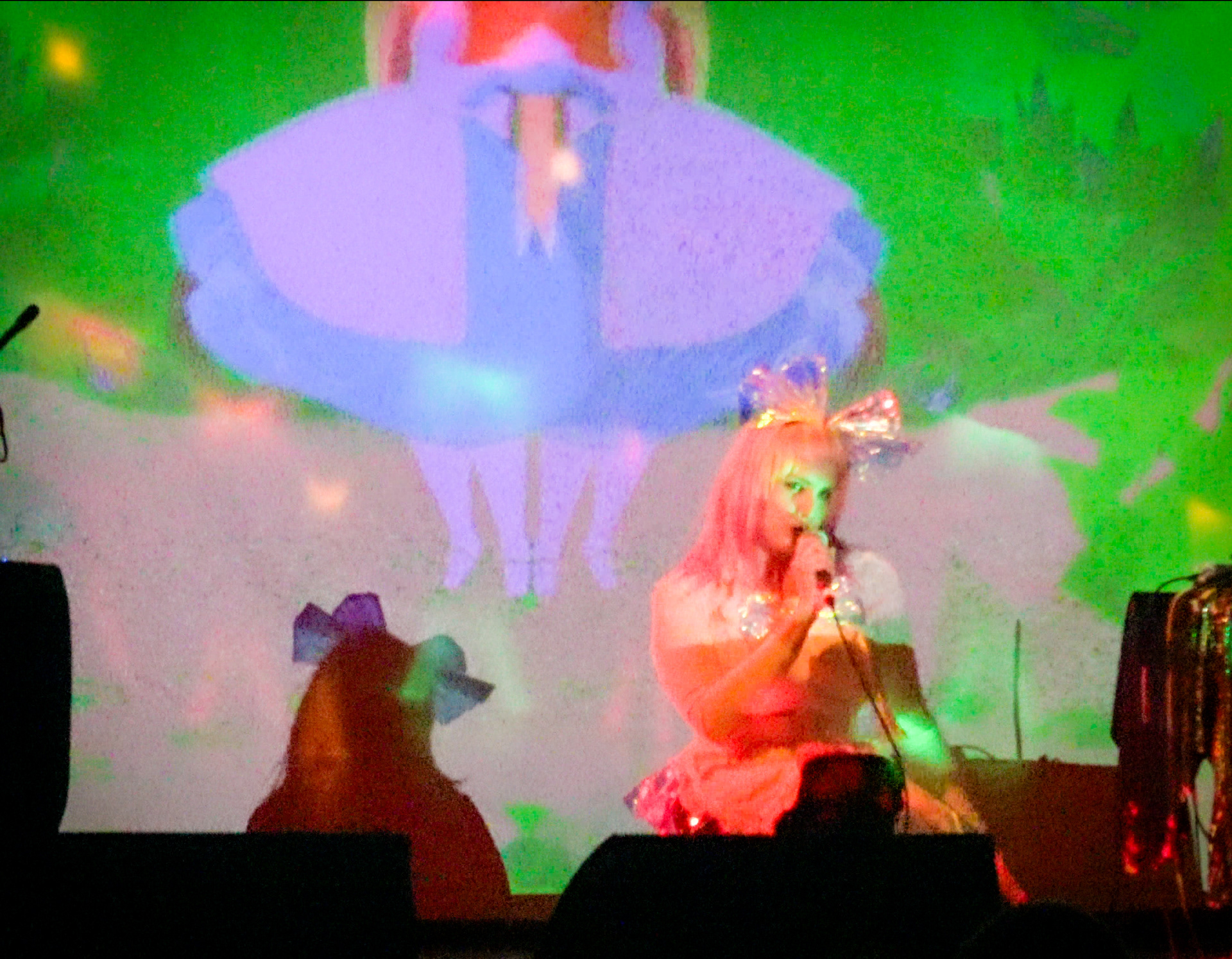
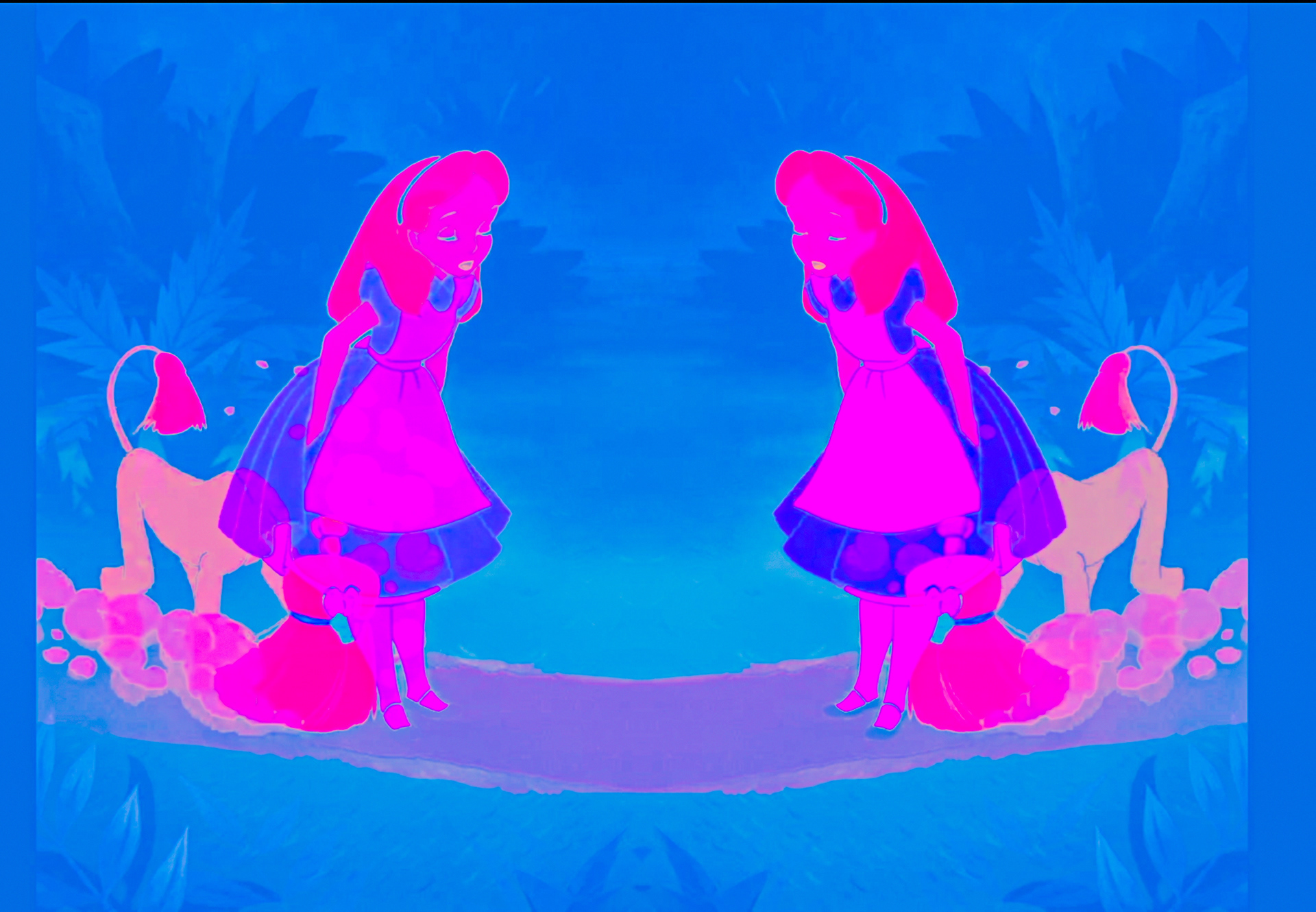
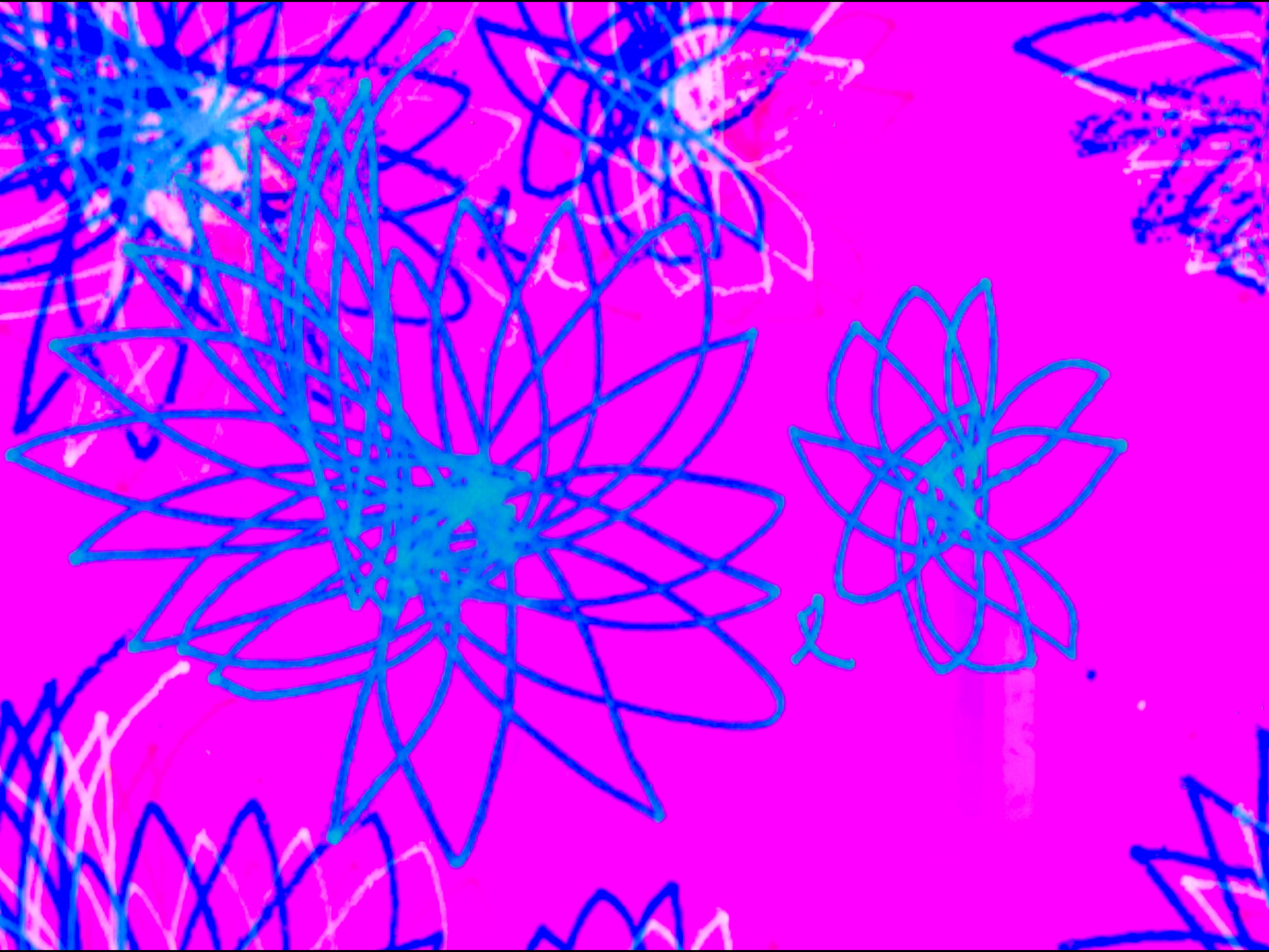
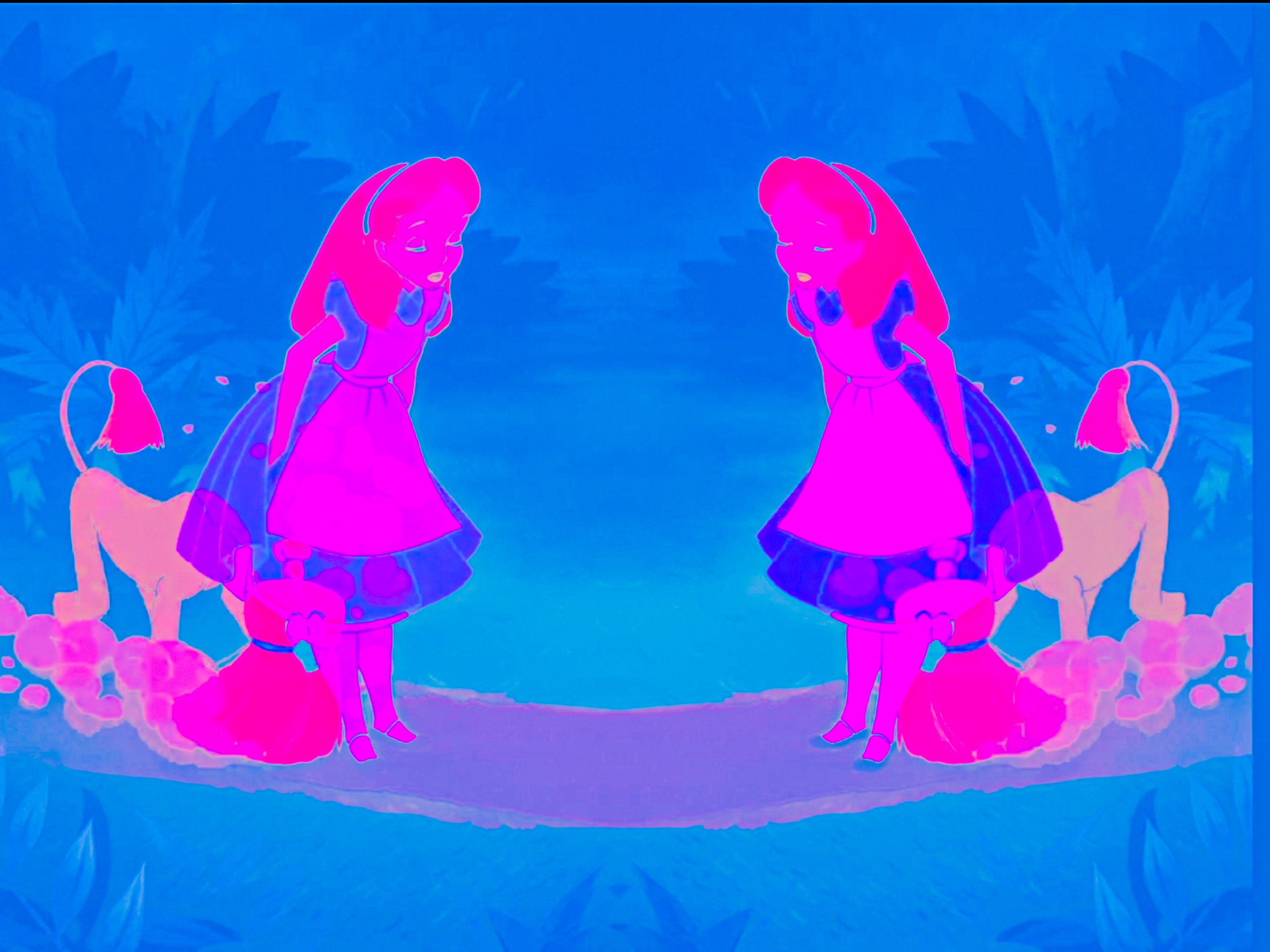
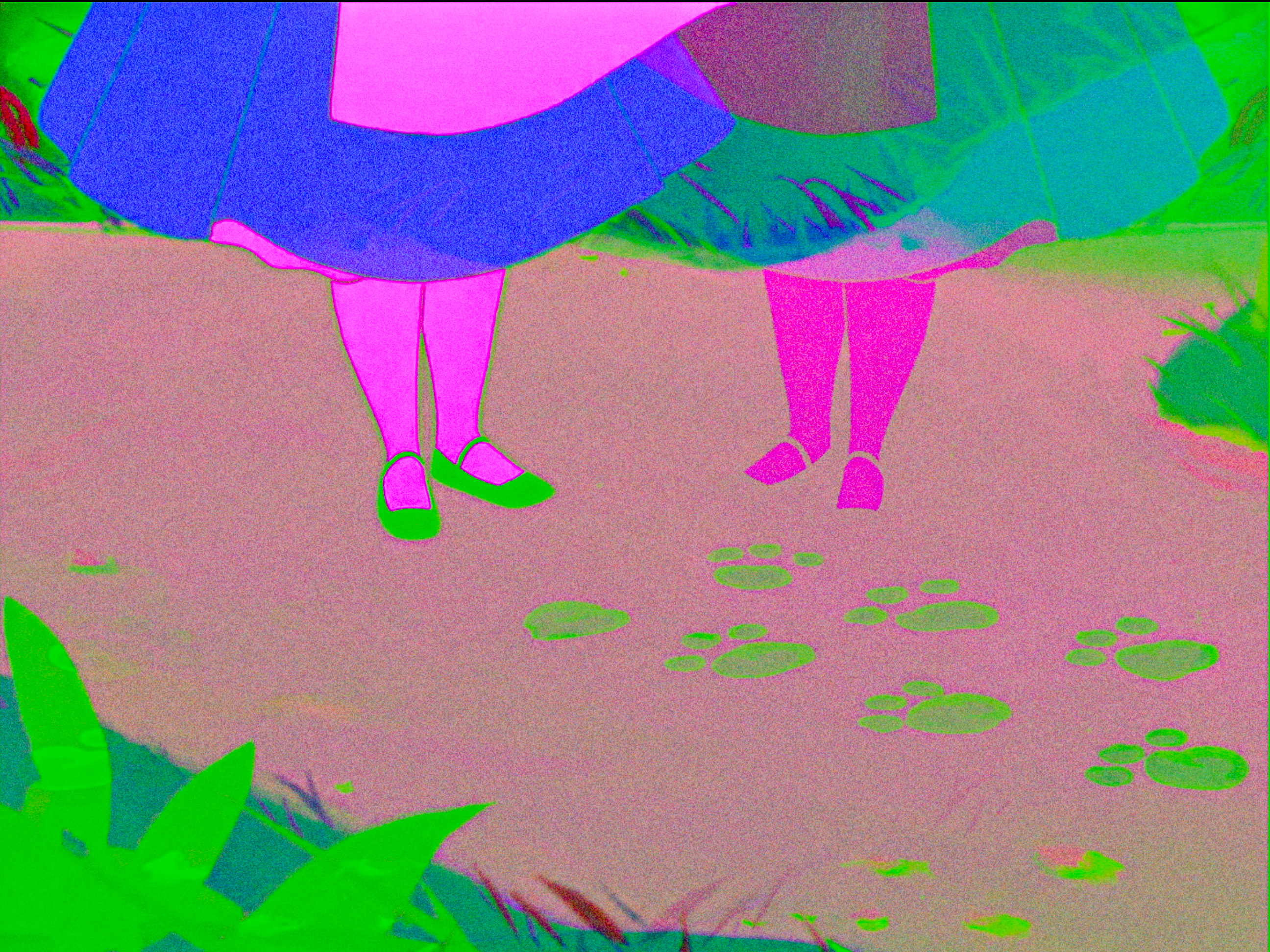
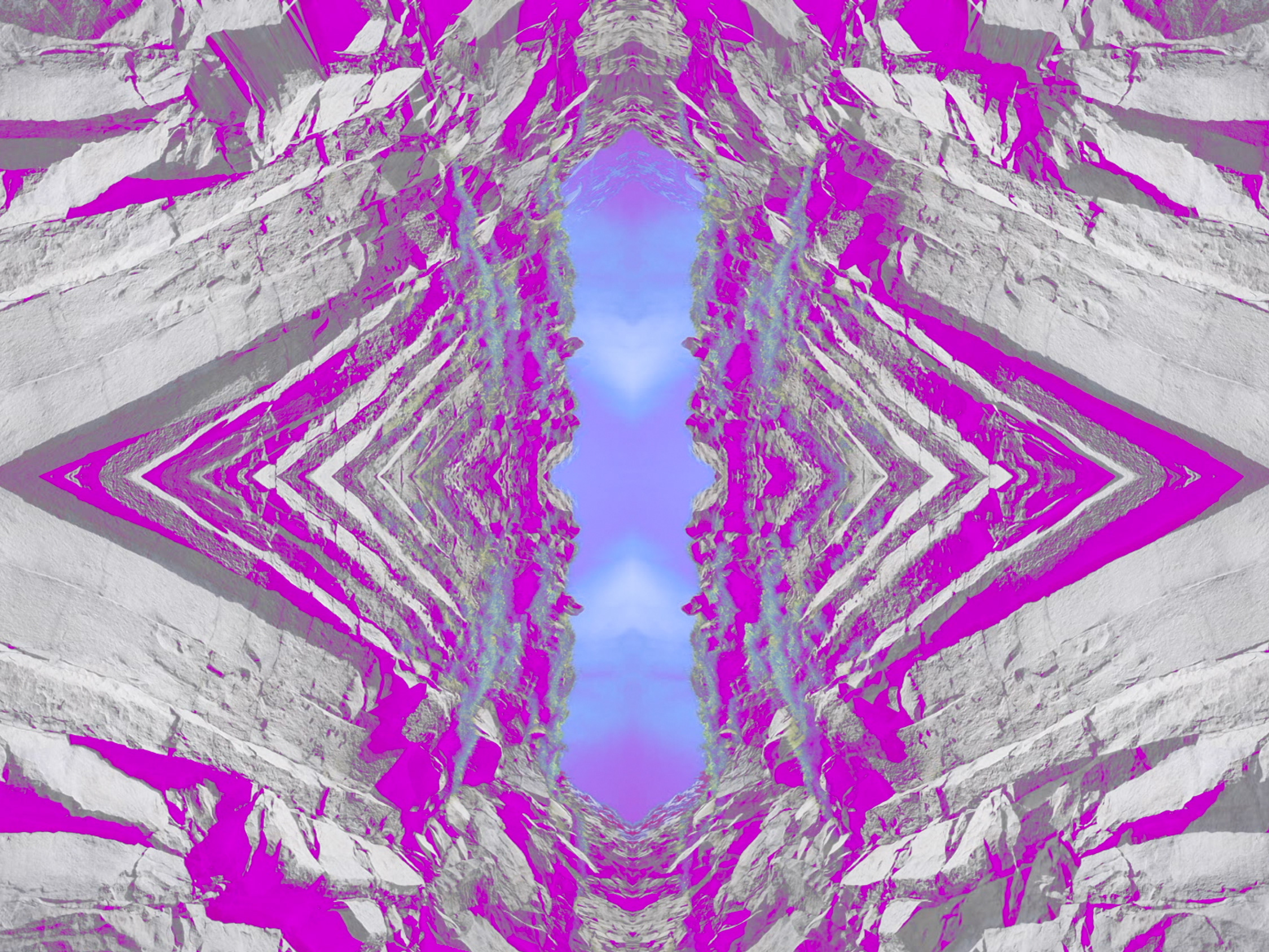
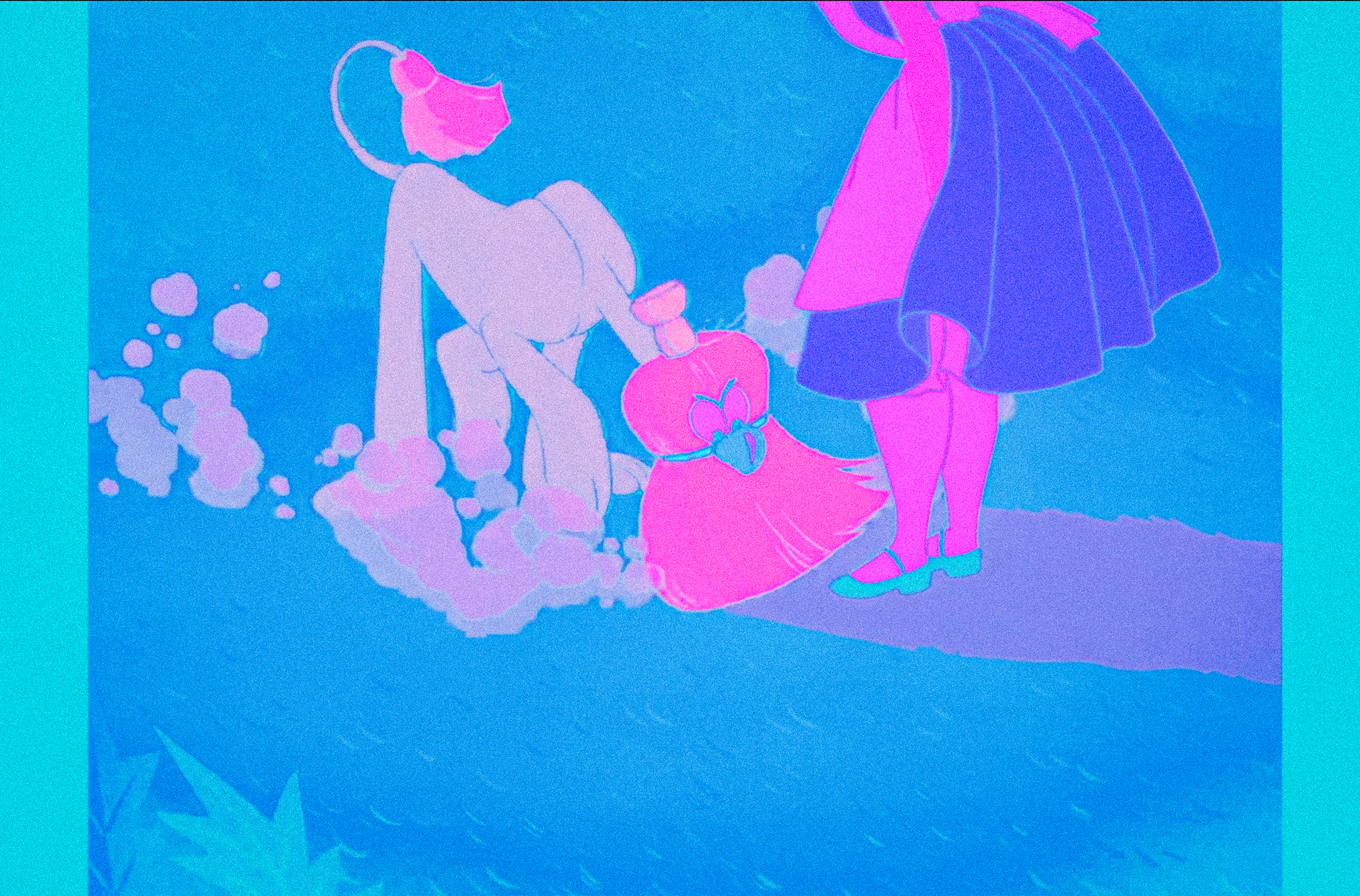
Live Performance screenshots of La Fôret Invisible, April 2023 at La Sala Rosa, Montréal, QC
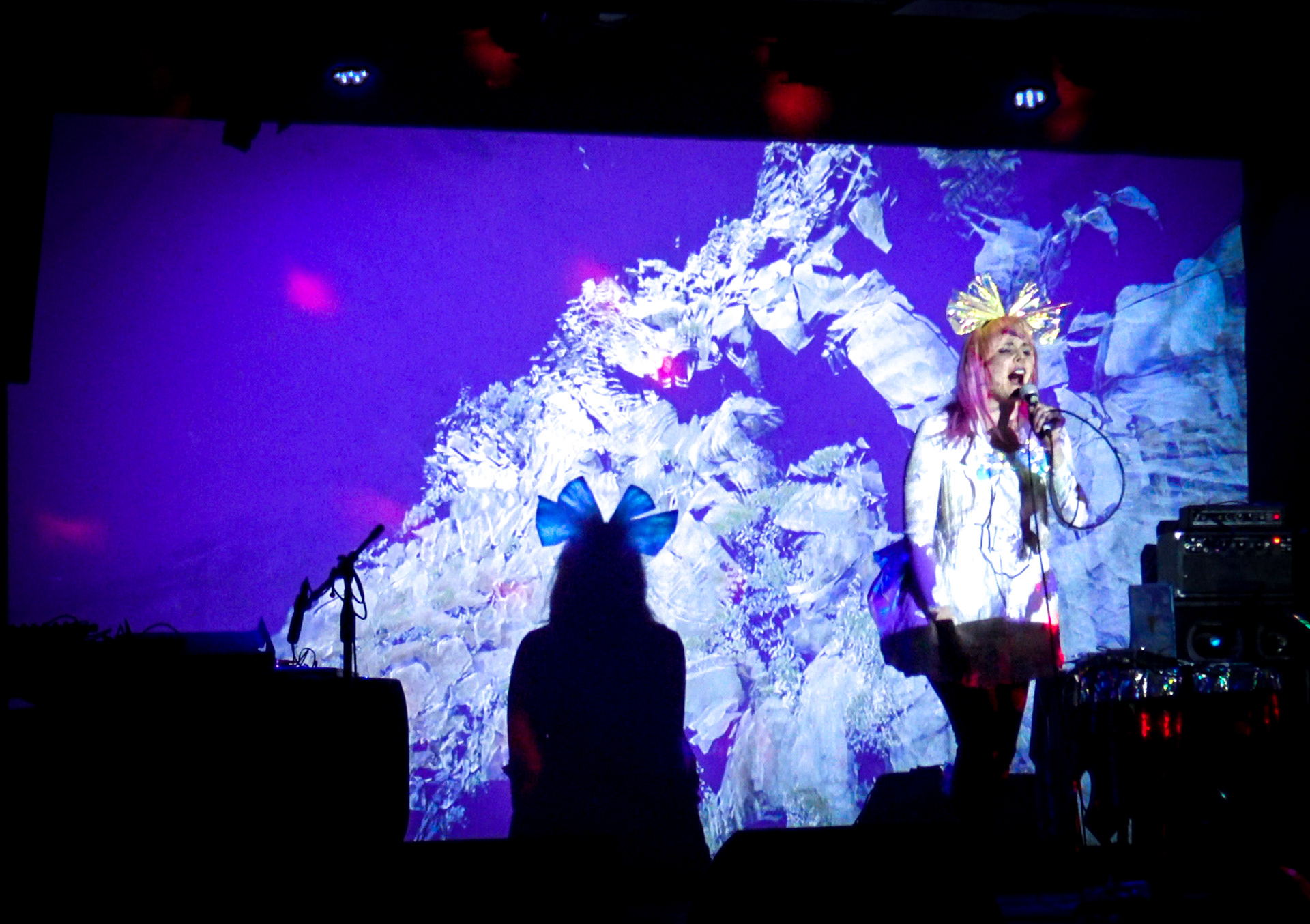
"Moment"
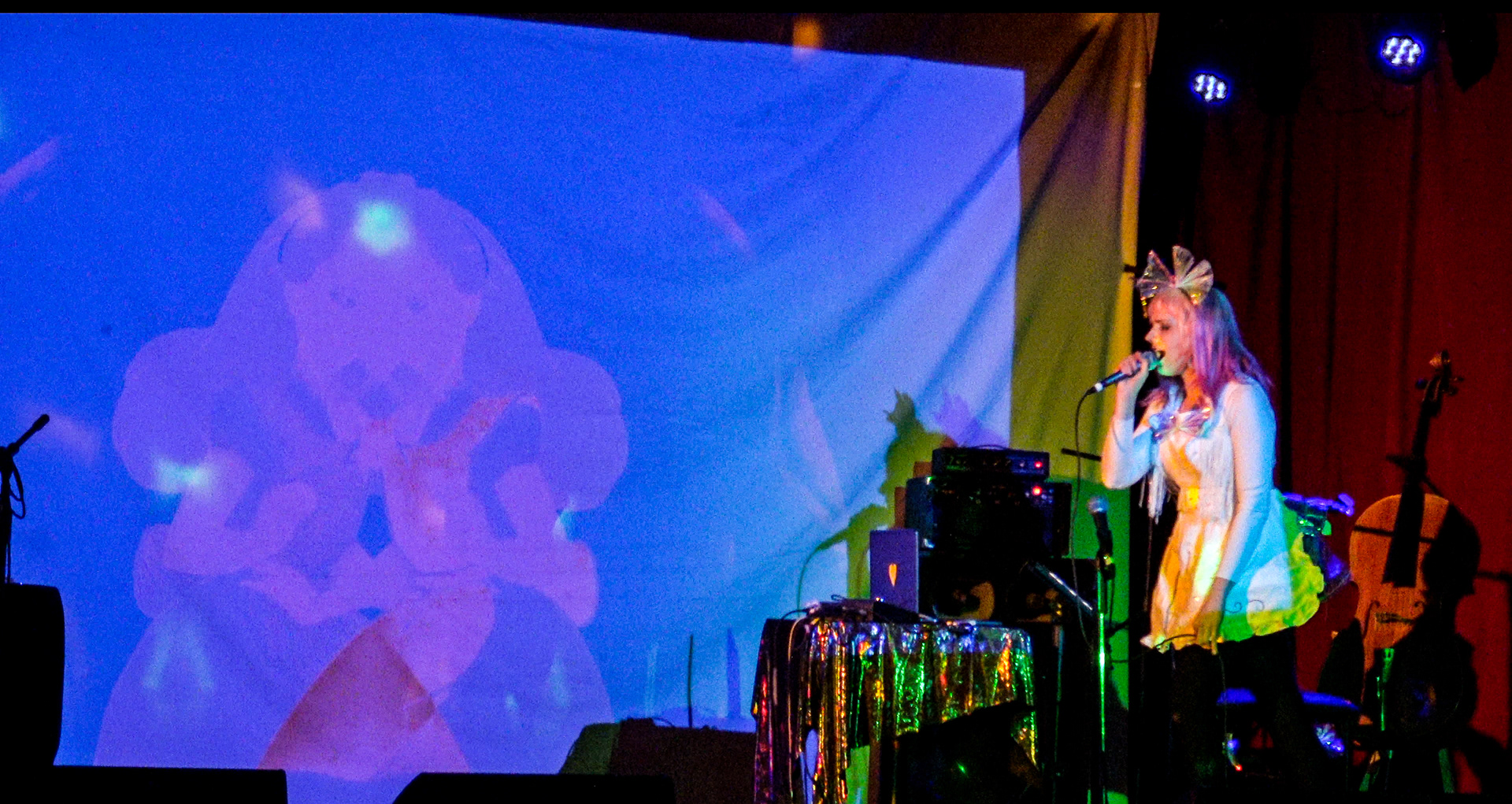
"Twin Peaks"
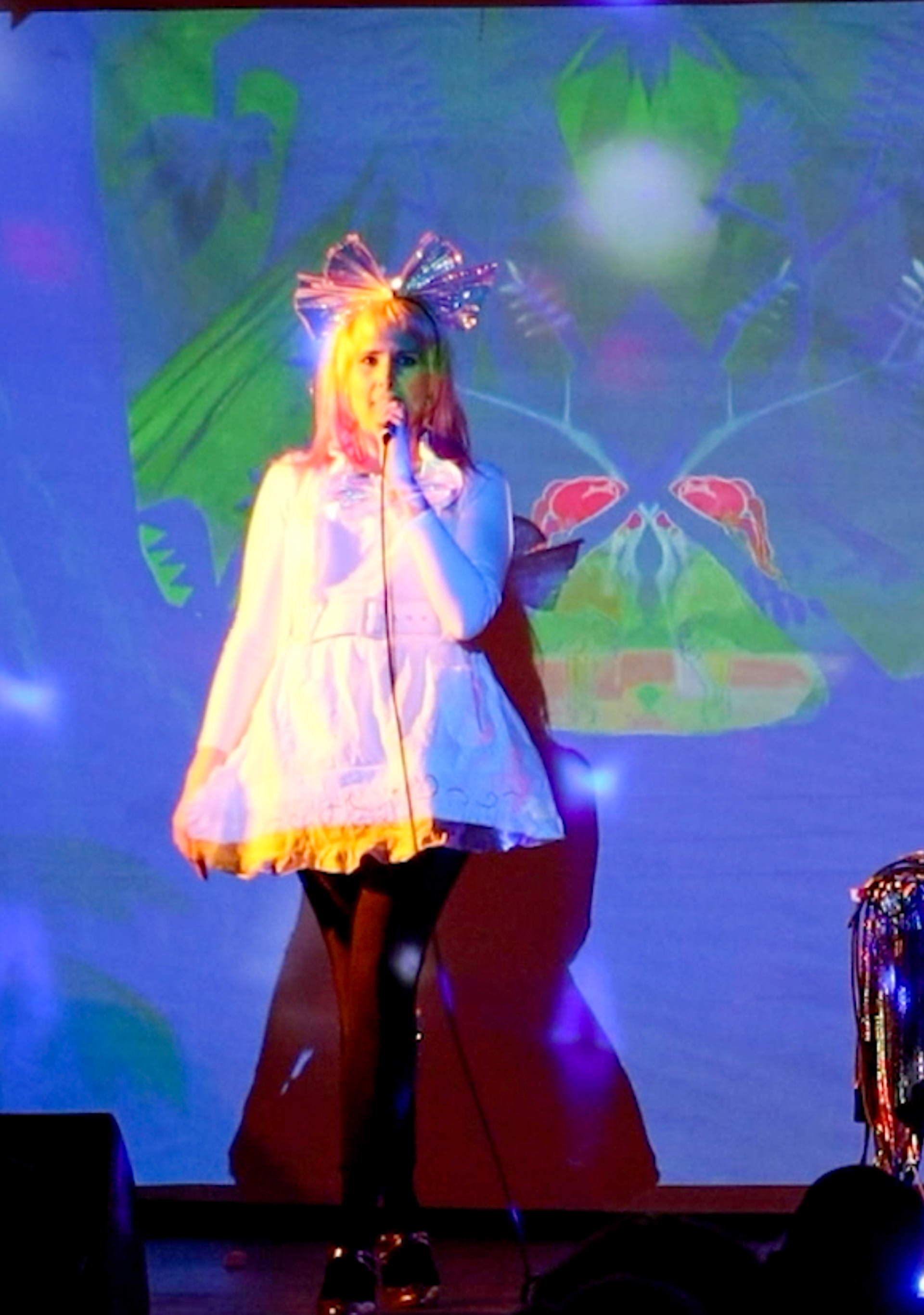
"Twin Peaks"
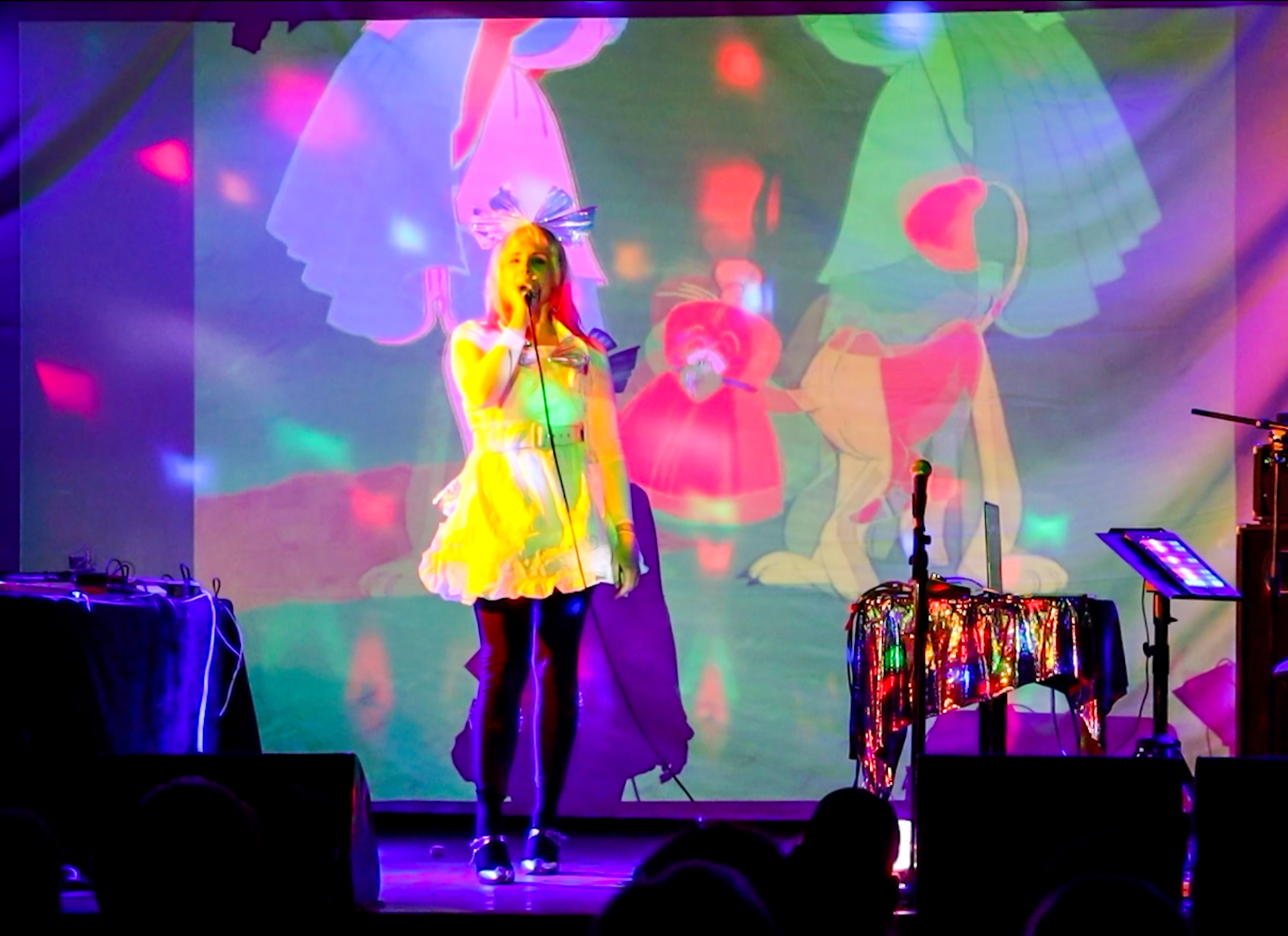
"Twin Peaks"
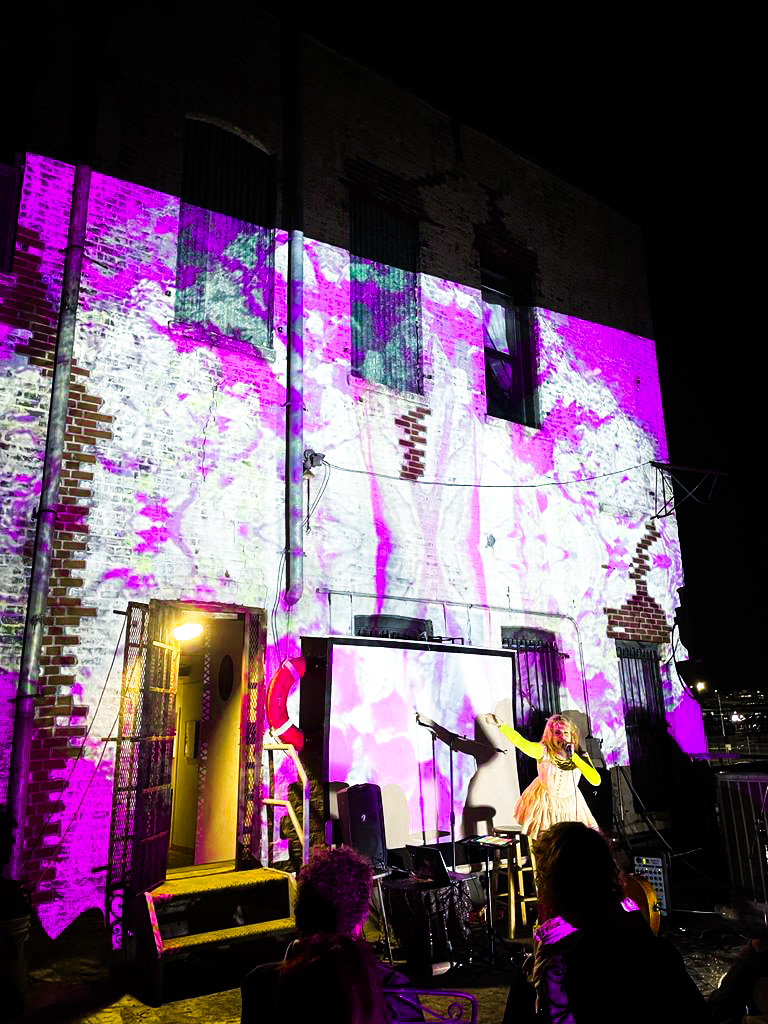
Live at Mothership NYC, Greenpoint, Brooklyn, NYC September 23 2023
Set List, live performance notes, mise en scène
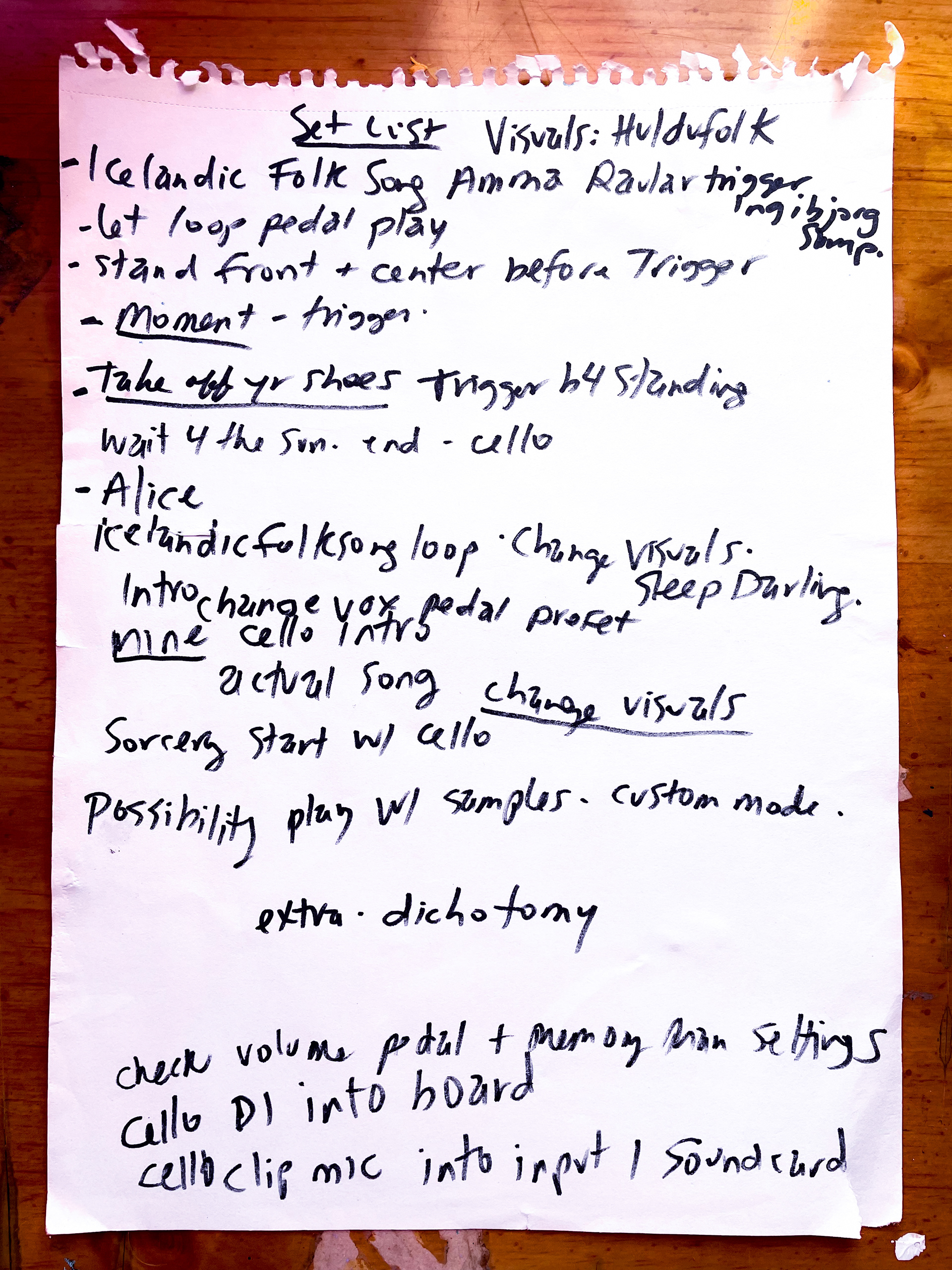
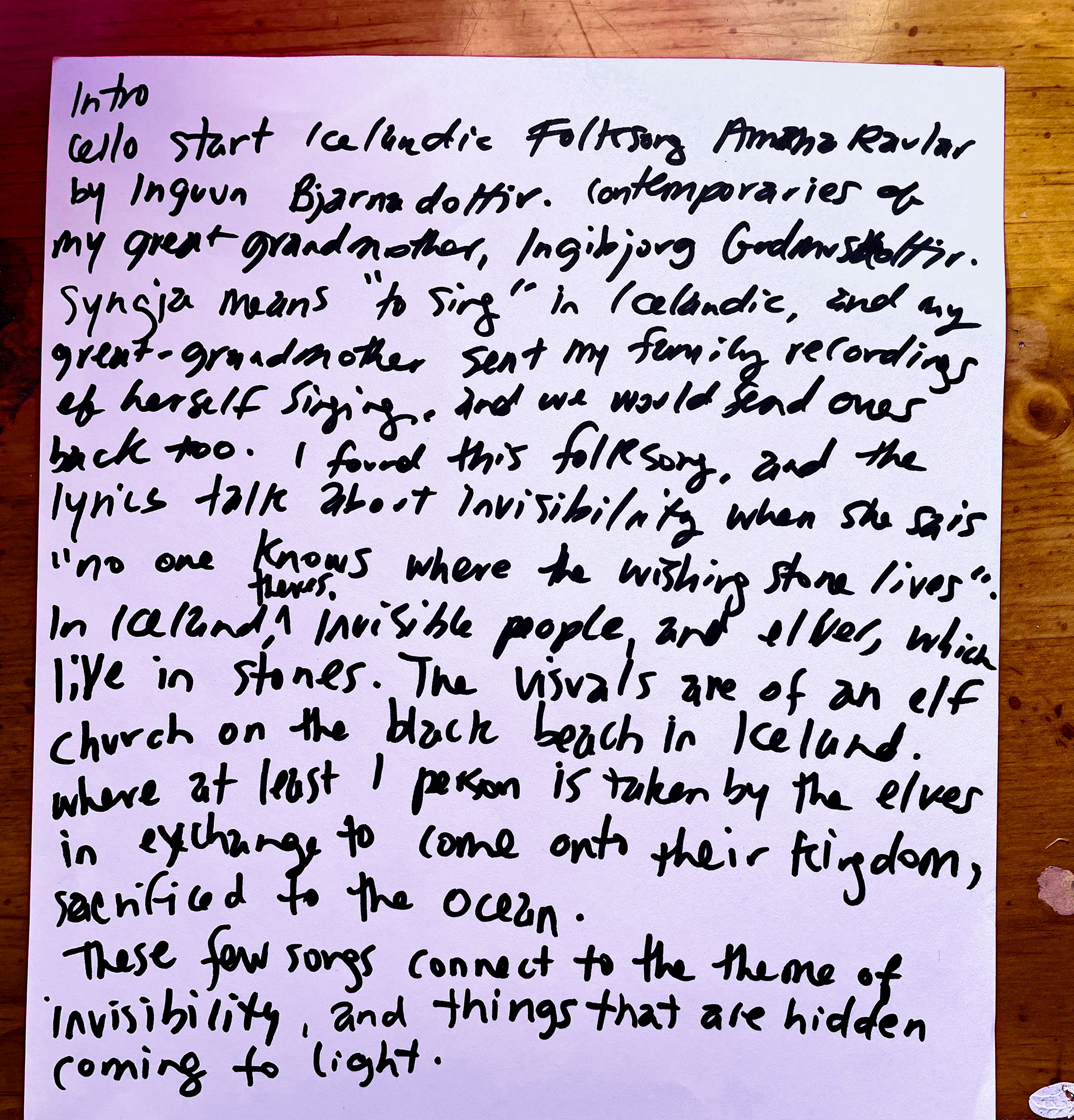
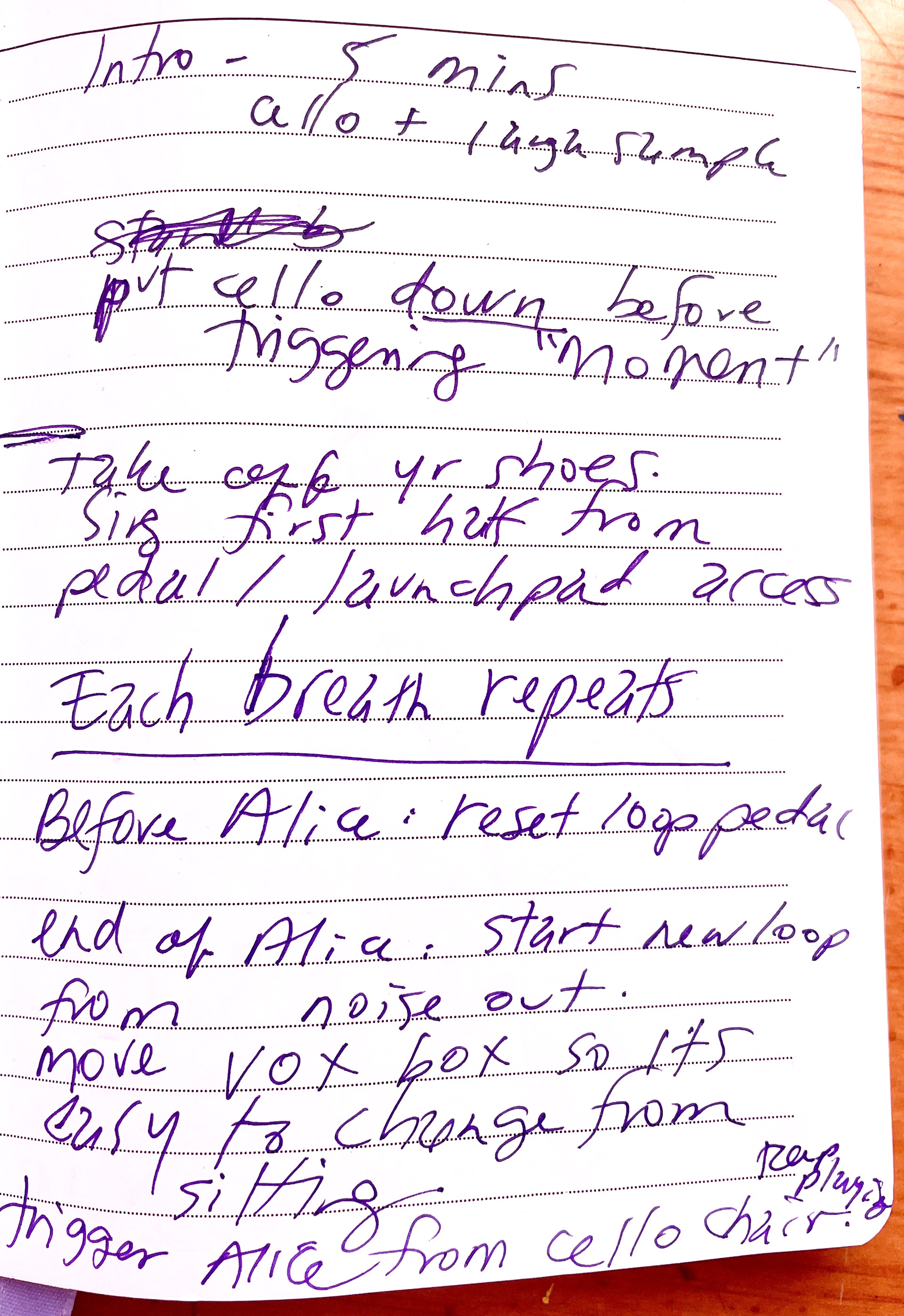
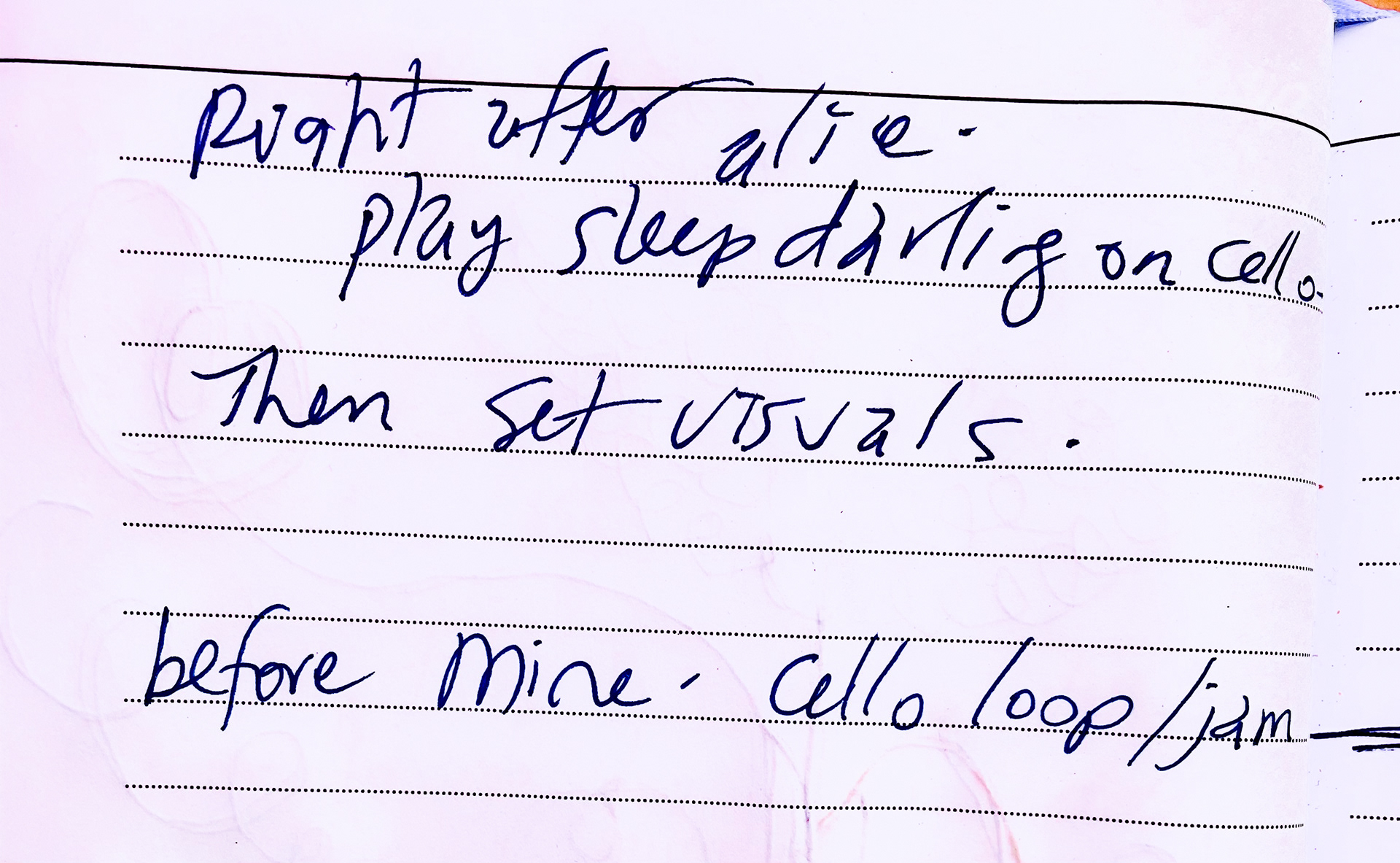
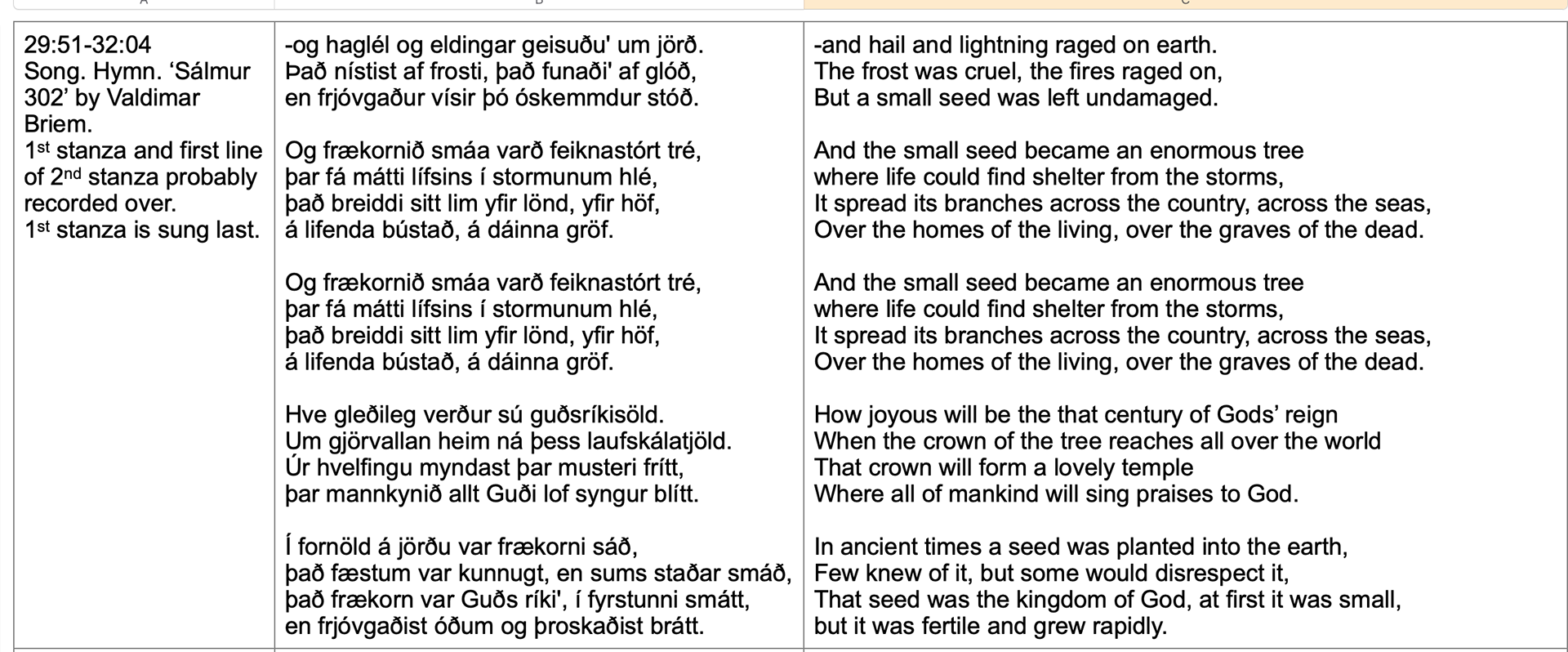
Based on the Icelandic folk song Amma Raular í Rökkrinu by Ingunn Bjarnadóttir (1905-1972)
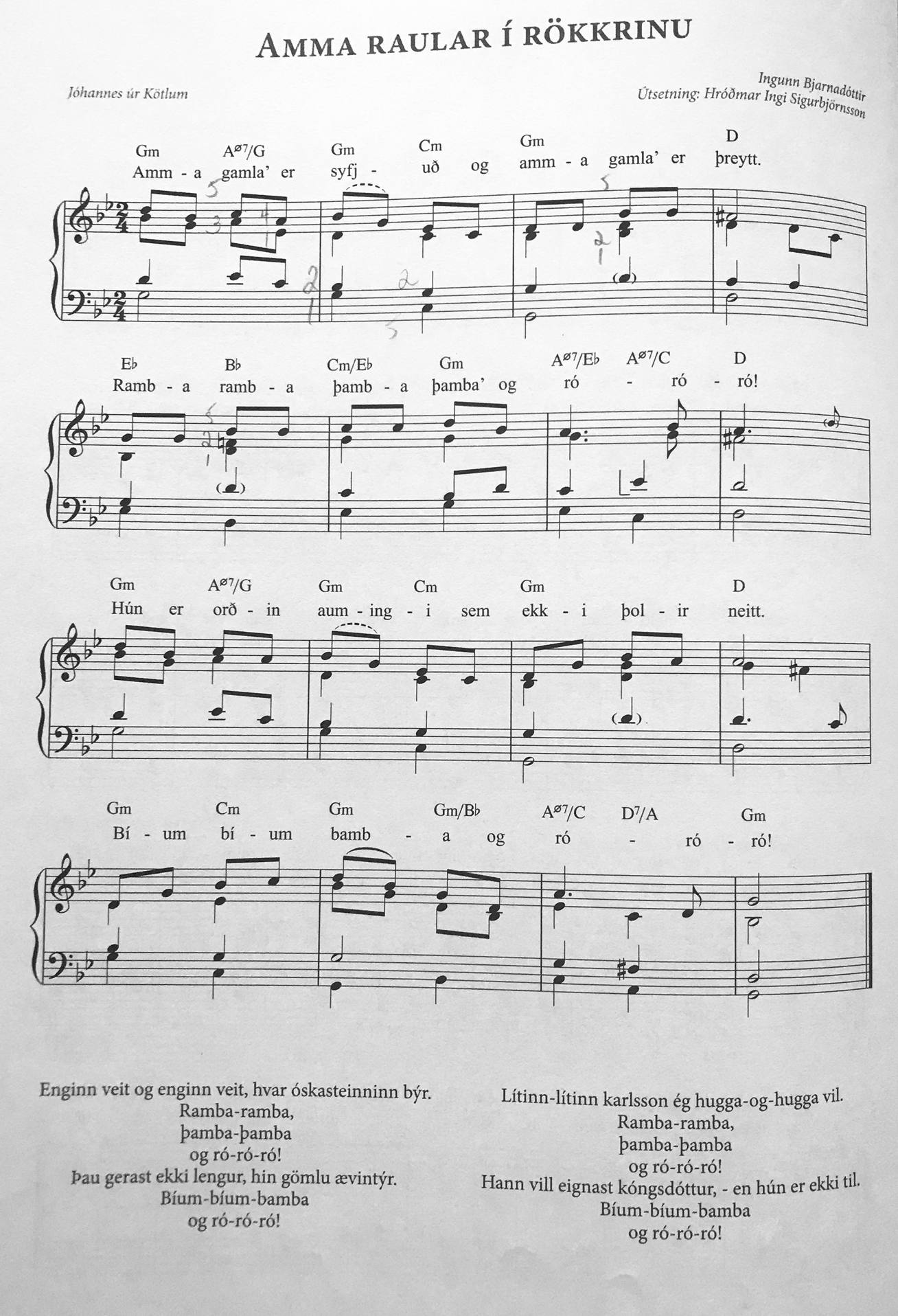
Ingunn Bjarnadóttir (1905-1972) was born in Einholt á Mýrum in Austur Skaftafellssýlas.
Ingunn had no musical education, but Hróðmar wrote down many of her songs
Hallgrímur Helgason is impressed by Ingunna's songs and it is primarily to him that her songs came before the public eye.
Hallgrímur Helgason is impressed by Ingunna's songs and it is primarily to him that her songs came before the public eye.
"If you describe the singer Ingunna Bjarnadóttir (1905-1972), I think the motto "singing soul" suits her best. Every poem she sang became a song. It was her natural expression, pure and true. This desire for the emanation of tone, which lifted word in a higher realm, was so strong that it was as if the sound of many centuries, in the song-poor existence of Icelanders, breaks forth here with an unstoppable force. Upon my first meeting with Ingunna, I soon saw that she was endowed with an unusual talent, a melody worthy was stimulating with the necessary help, not least since she had missed all the musical education. She just sang according to the law of her heart, which she was born with. It was as a cradle gift that she had received the singing legacy of countless previous generations. This firnlang she re-expressed the past in the tones of long-gone times. Thus, an age-old júflingsong from Hornafjörður, Ingan's birthplace, is the best key to her musical treasure. Singing has long been associated with magic and seid. The power of tones was strong kari human power. He opened a glimpse into hidden worlds, from which the destinies of men were woven. Women were usually best equipped to mediate between gods and men. Their songs and magical poems were therefore held in high esteem. Seidkonur and völvur have long since ceased to play the important role in human society that they were meant to play in the past. But the magic of tones still lives on. Ingunna Bjarnadóttir's songs are pure proof of that. It could be said that this East Frisian folk woman will later be considered the greatest singer in Iceland of the 20th century."
On location with Kristján E. Karlsson and Jasa Baka shooting video of the Elf Church in Iceland June 2022
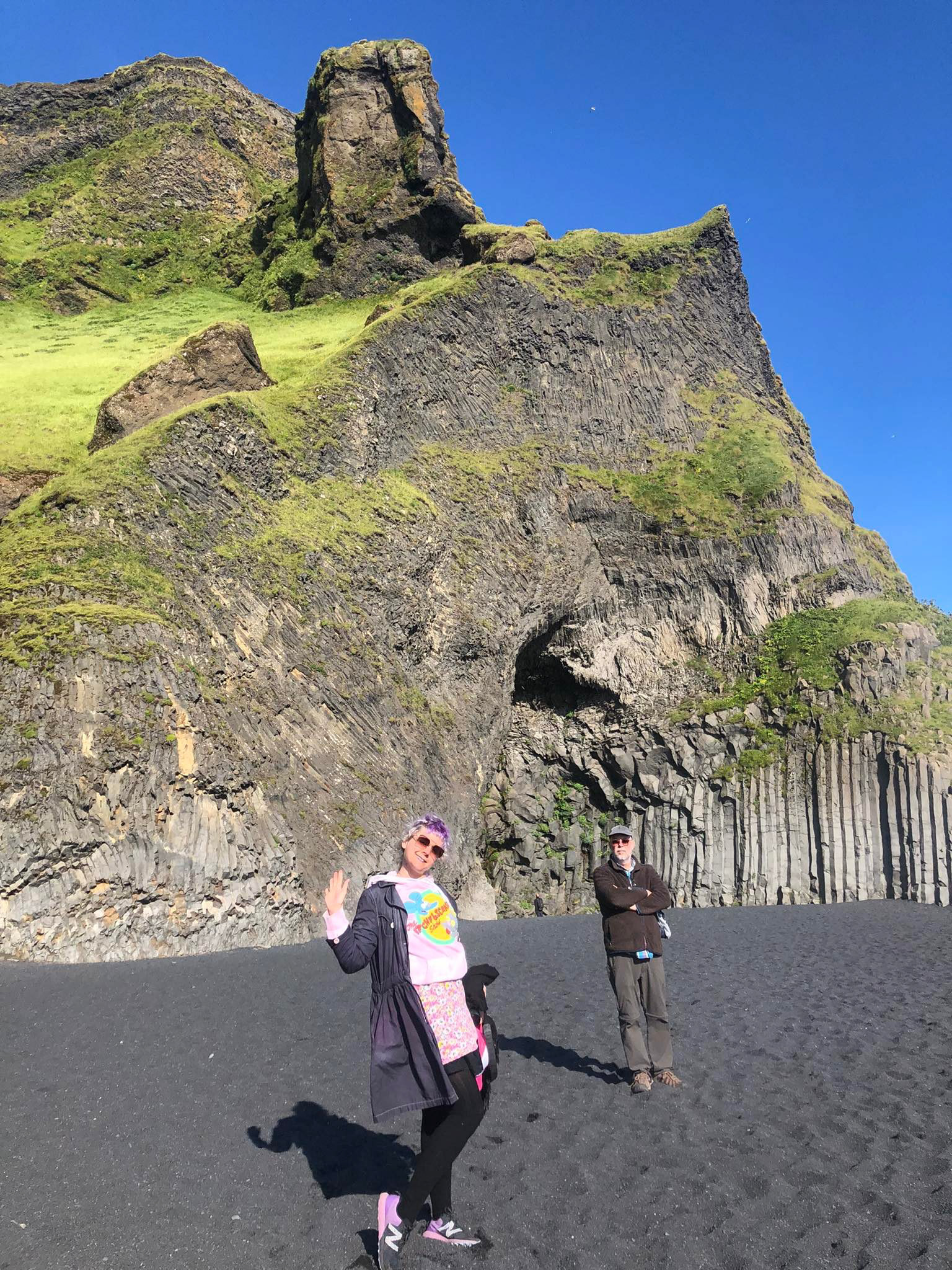
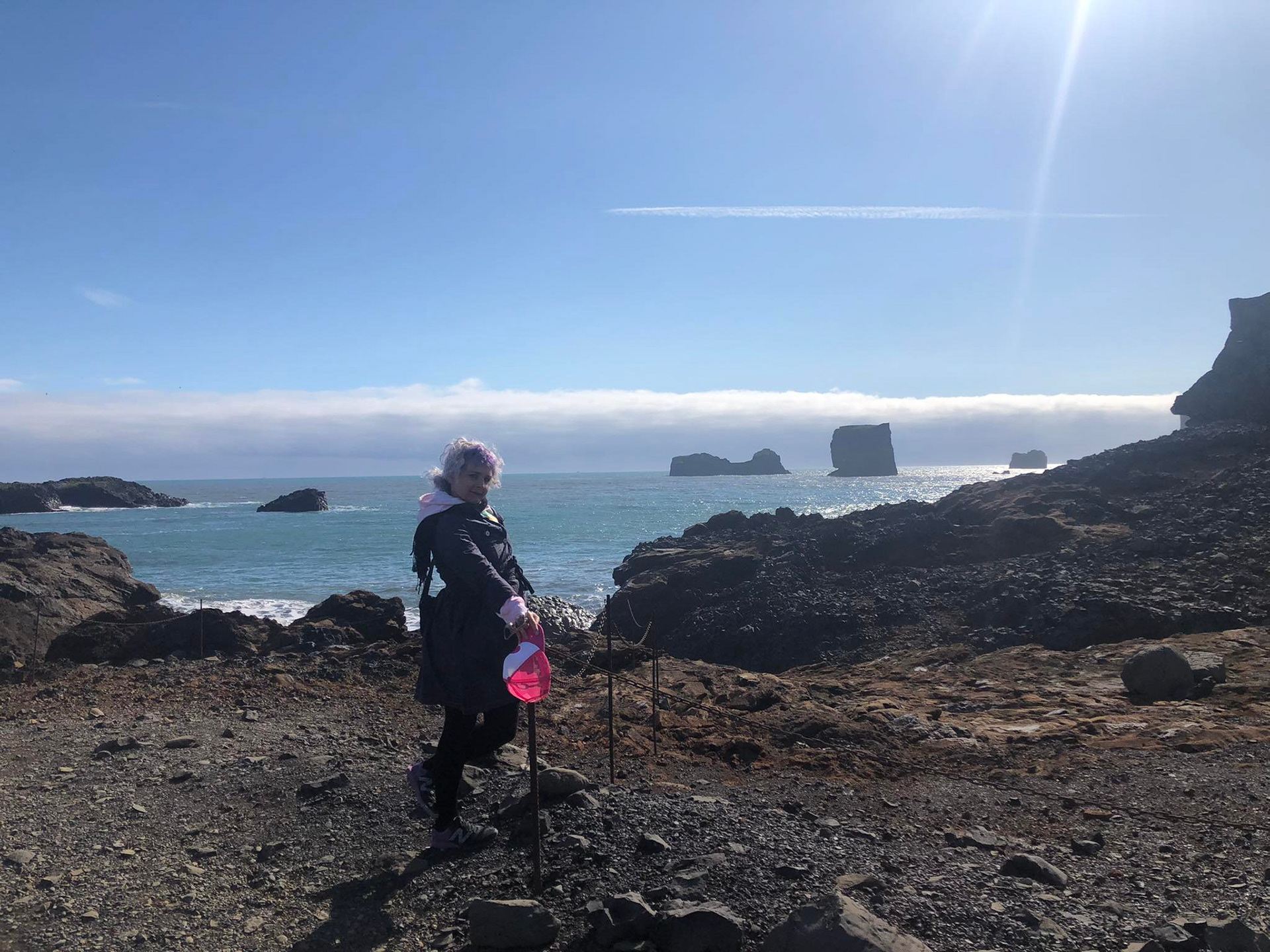
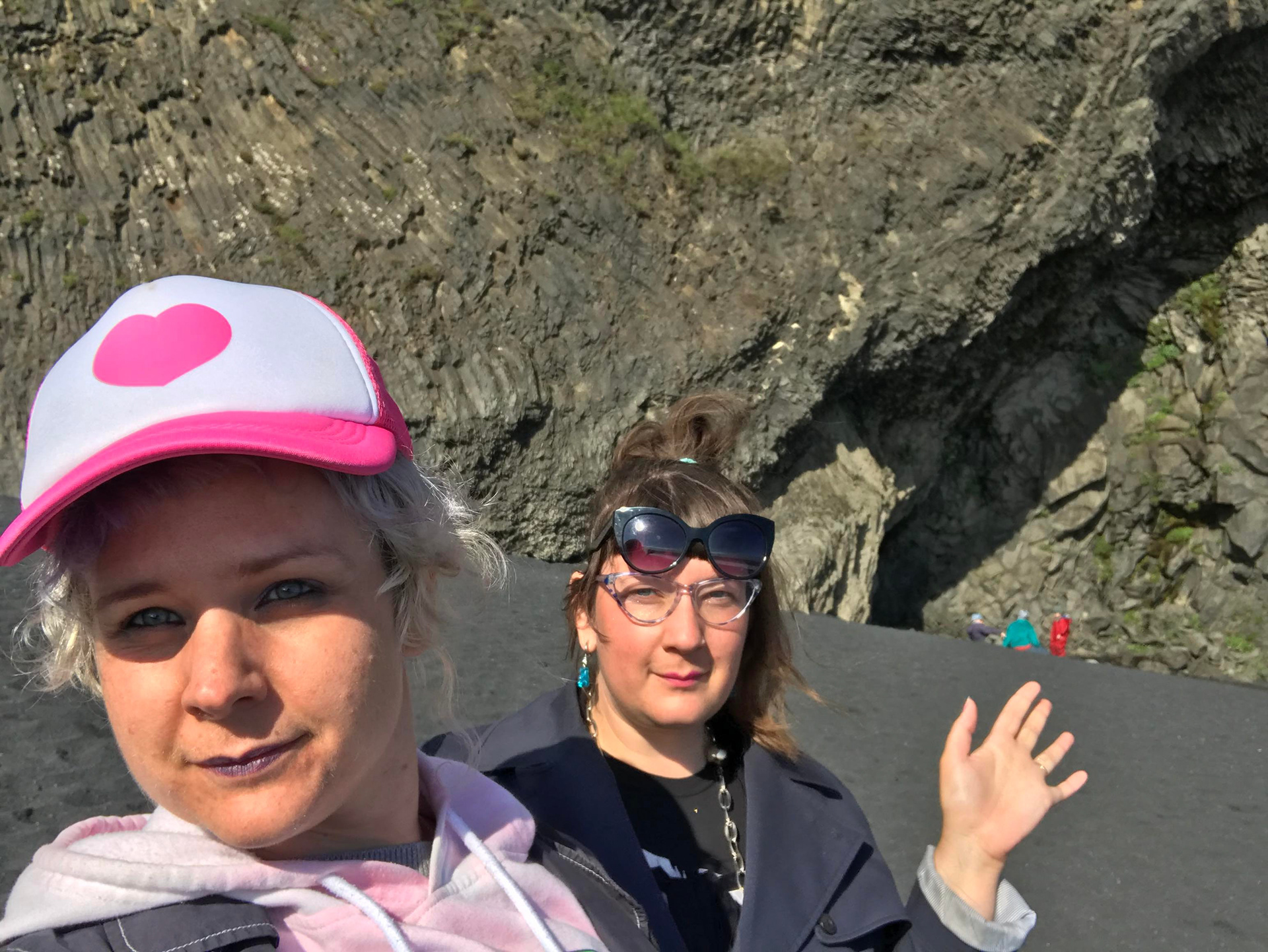
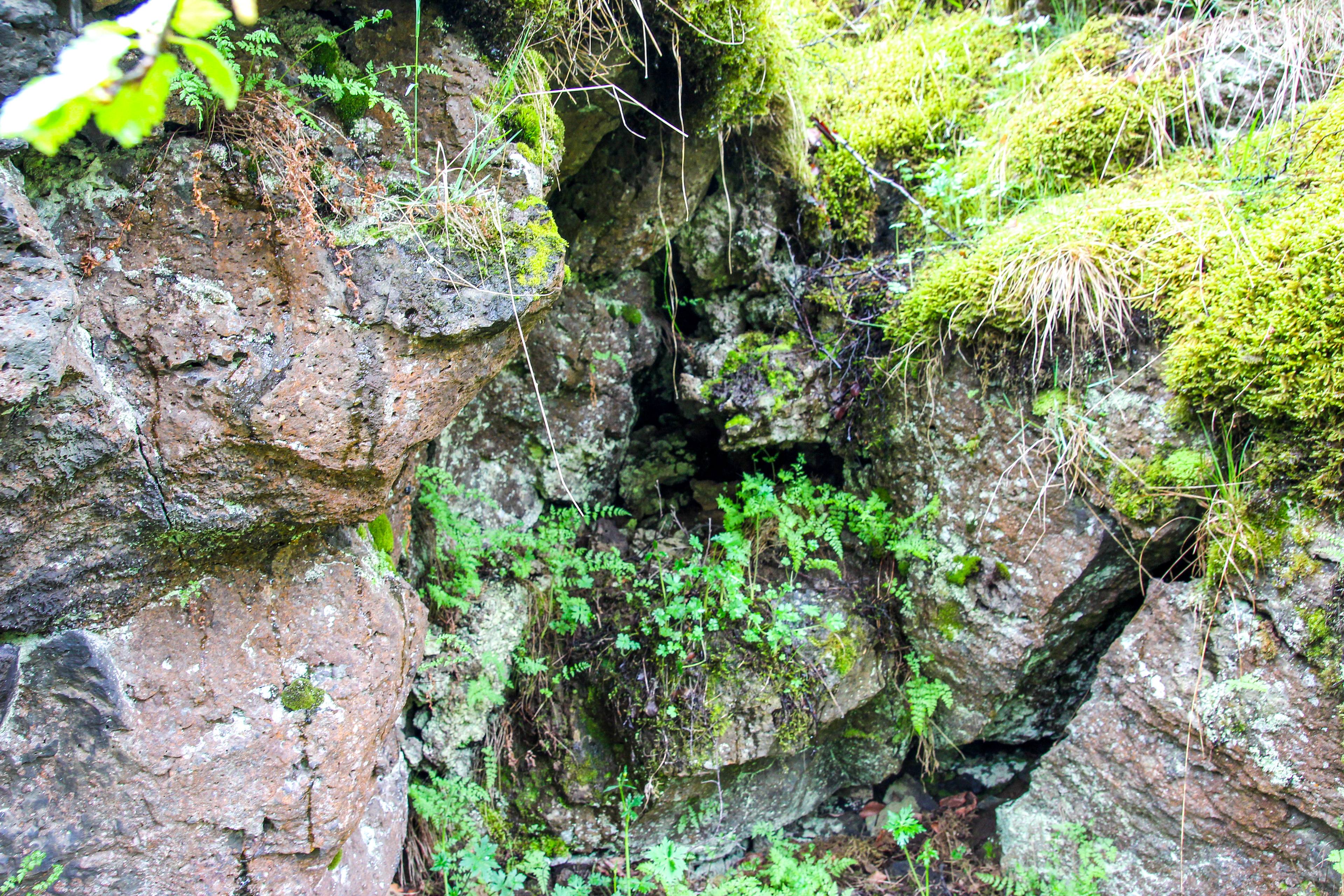
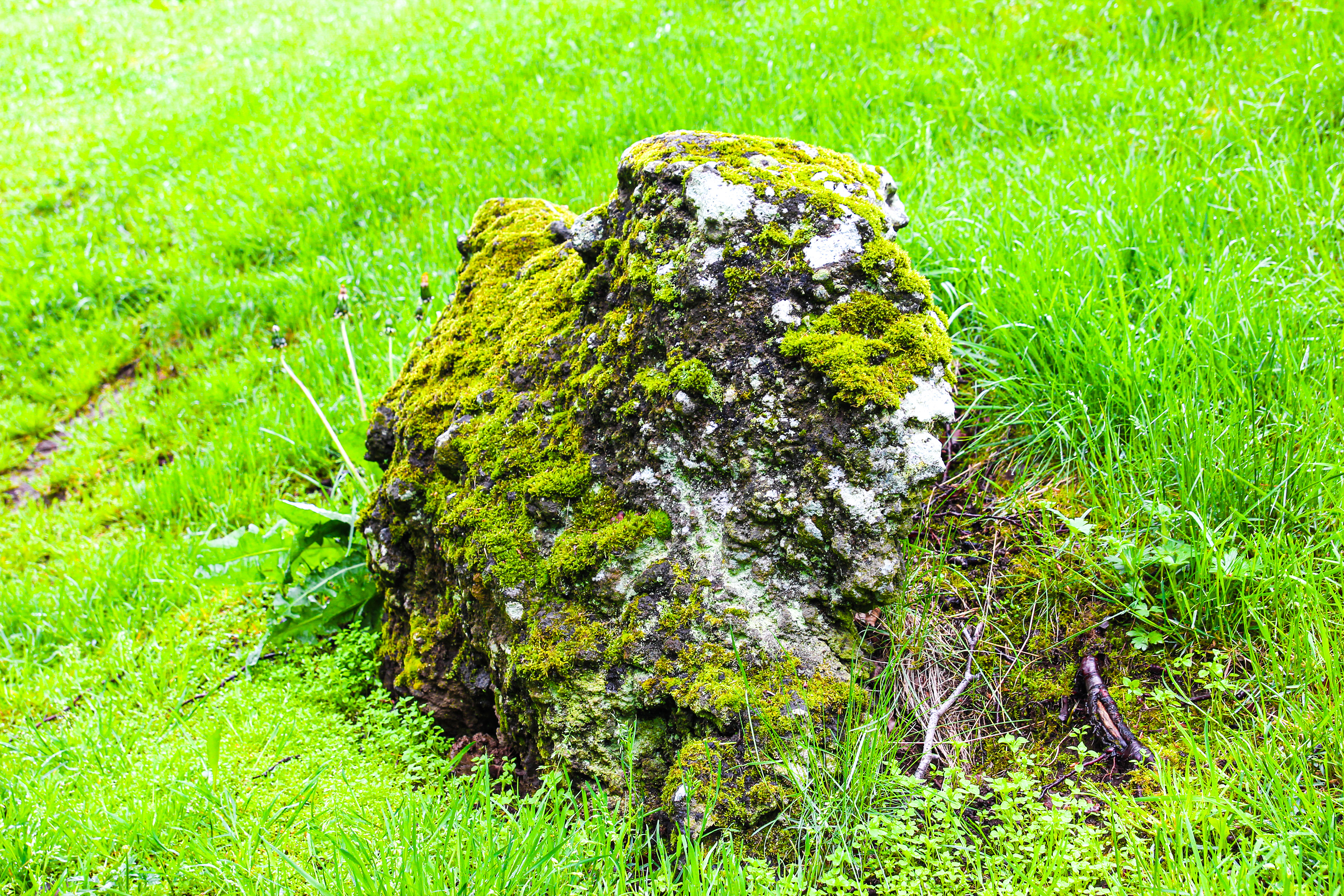
Research about stones, relating to the visuals (Elf church) and lyrics for the first movement of La Fôret Invisible (seen above)
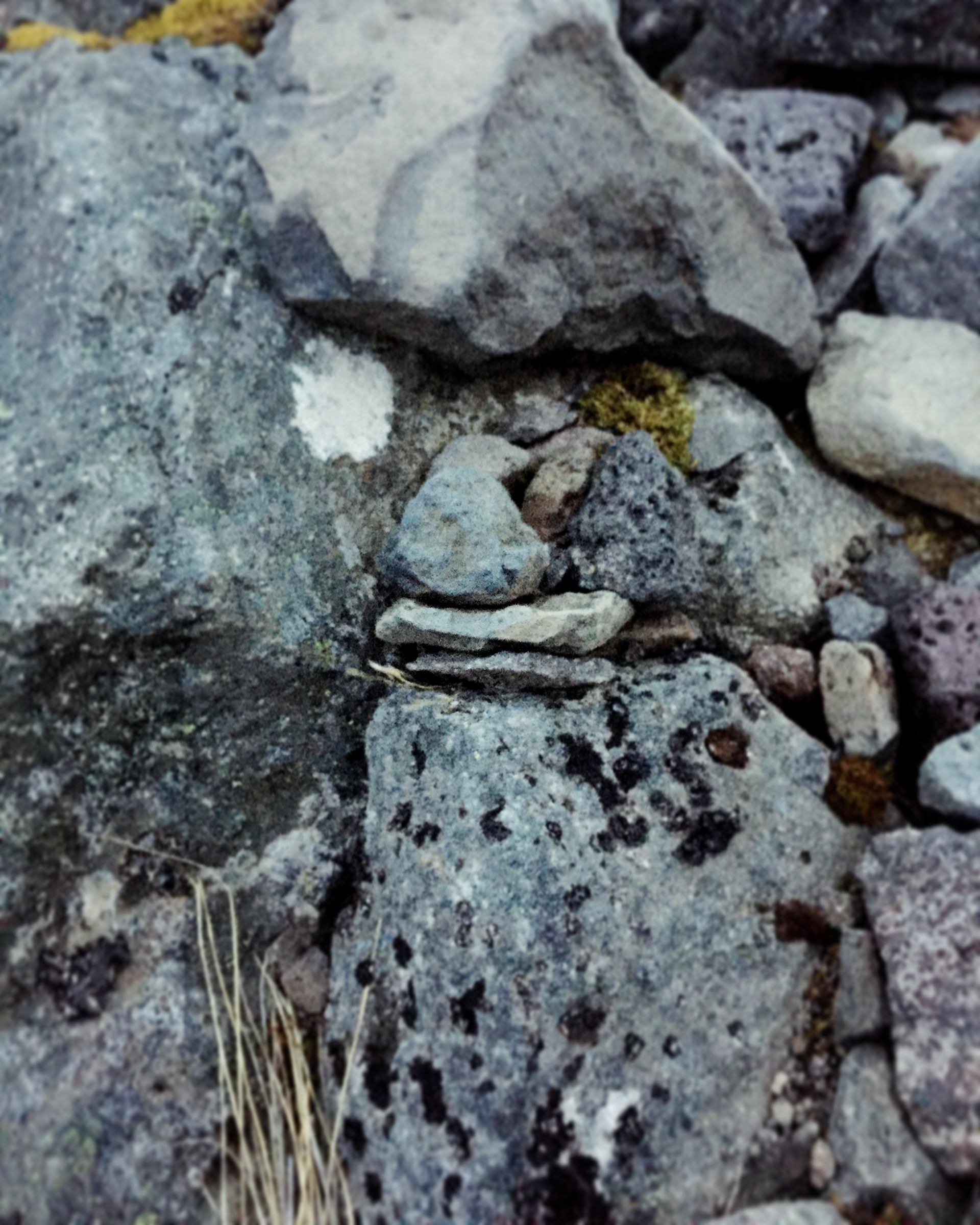
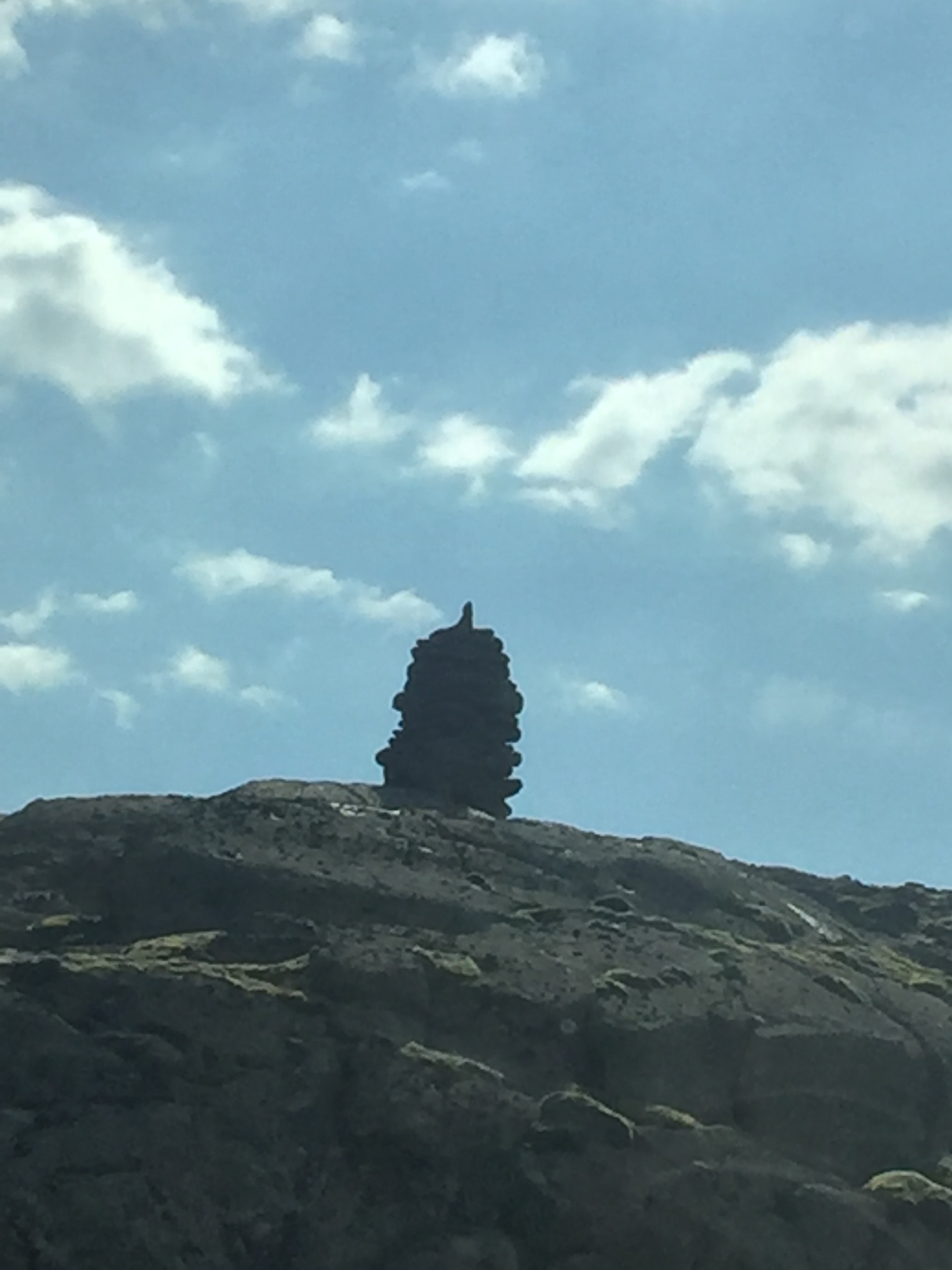
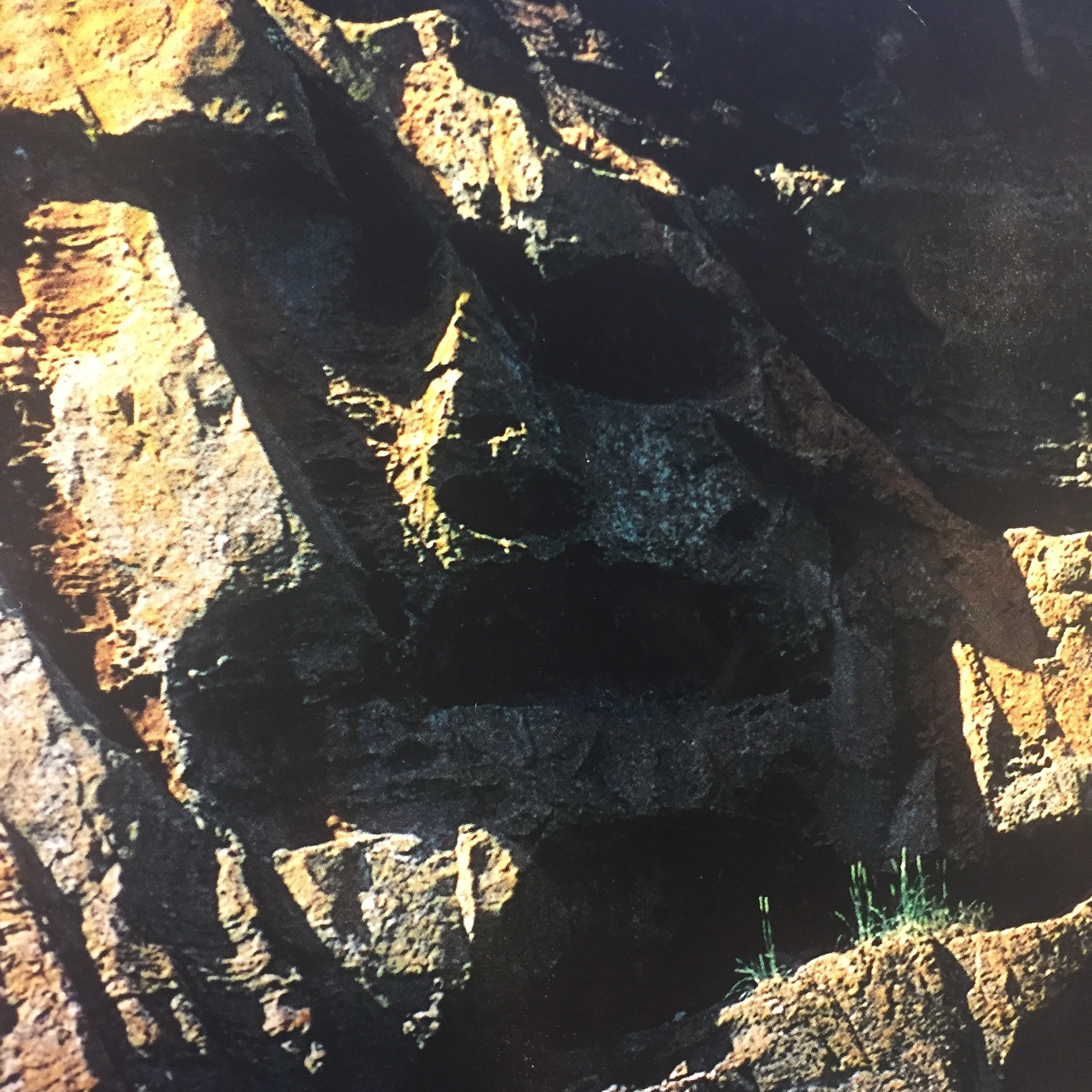
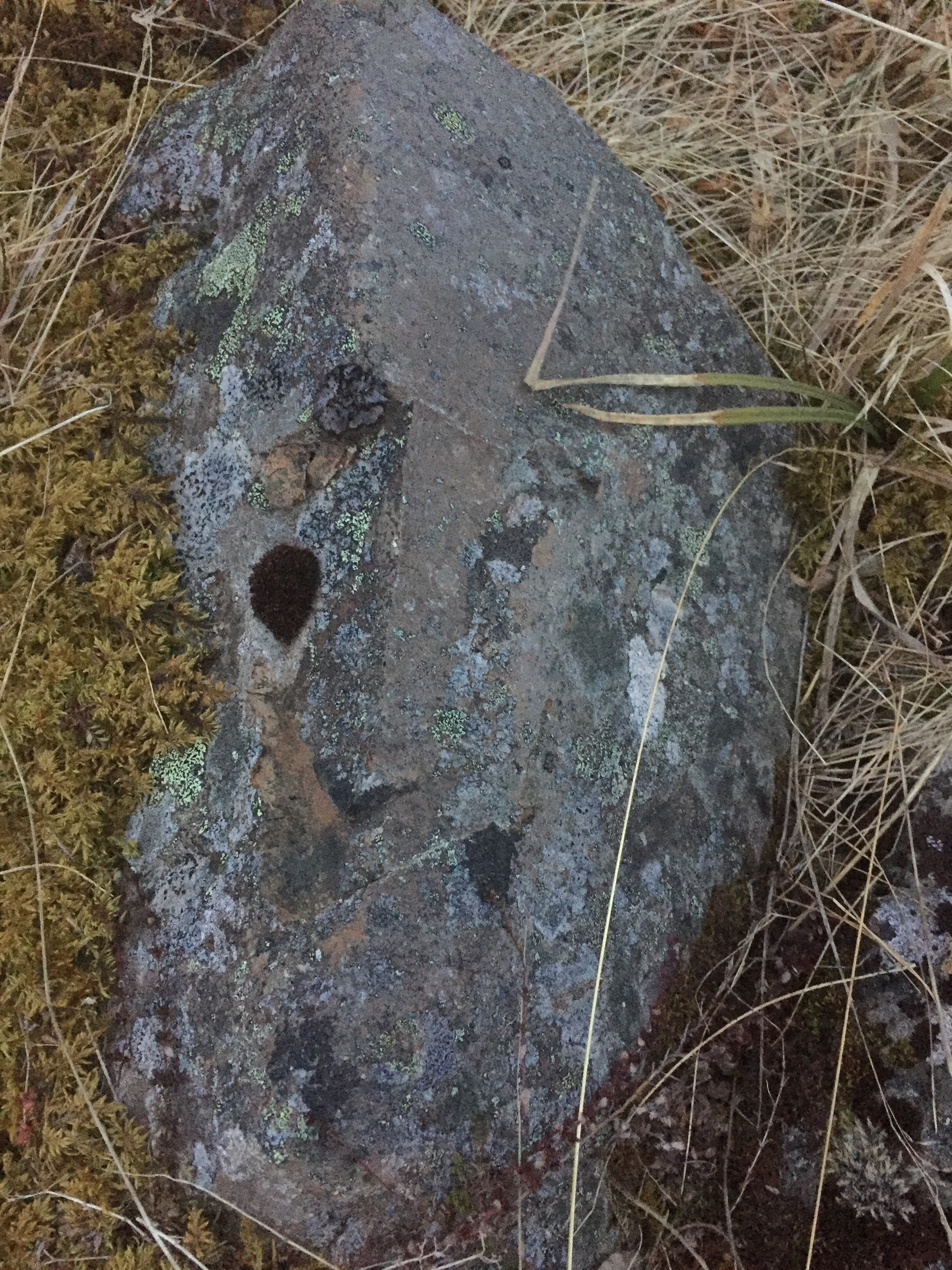
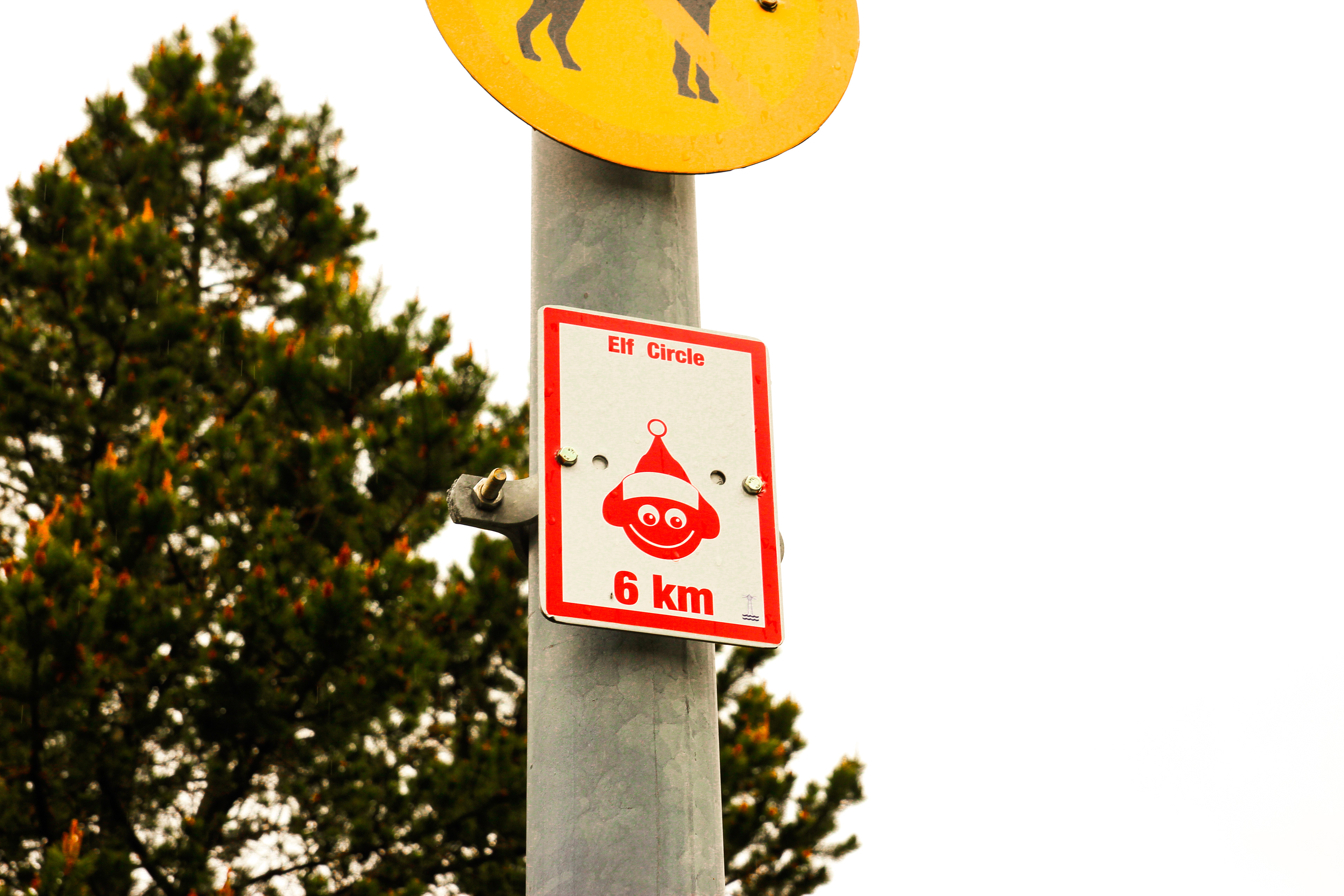
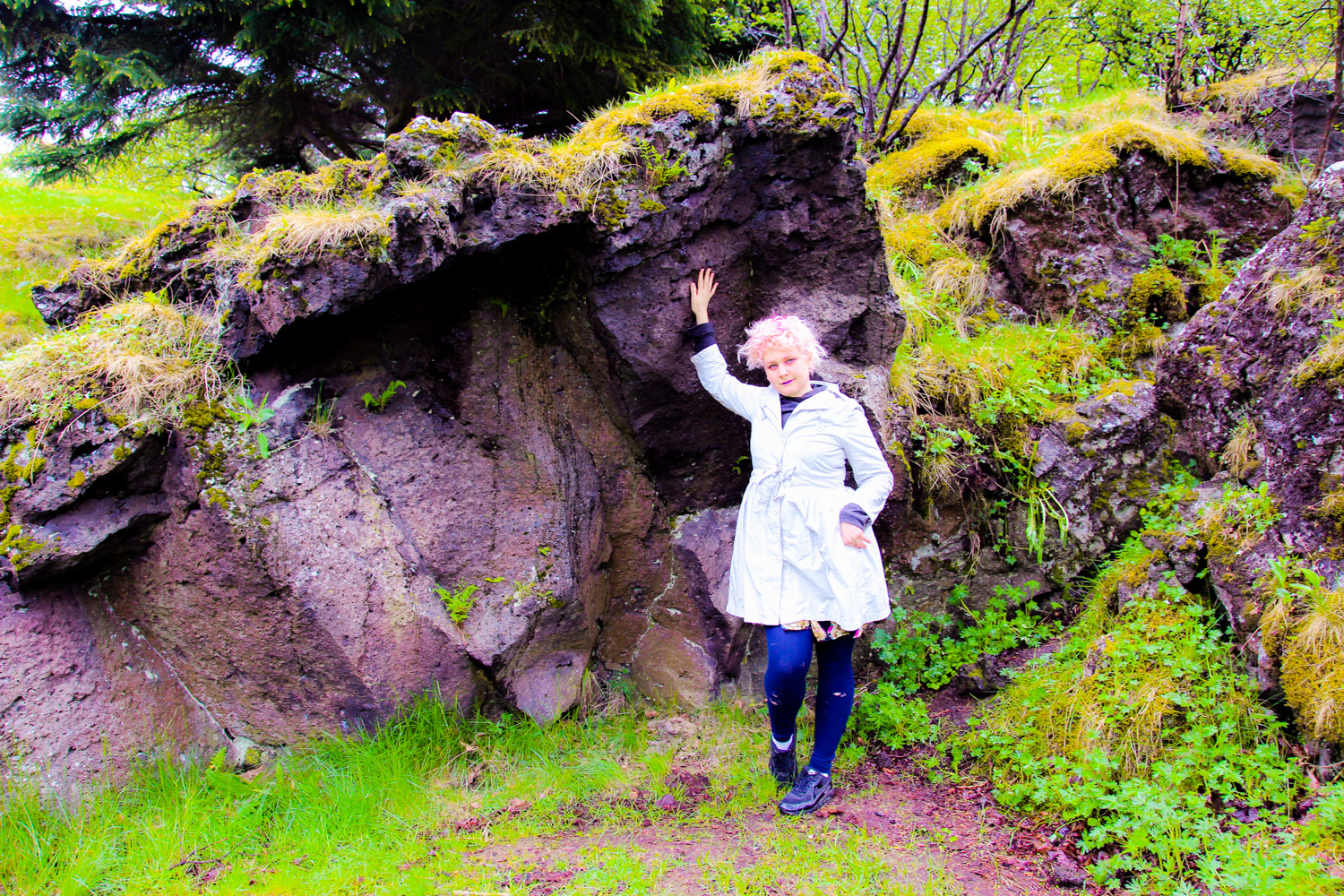
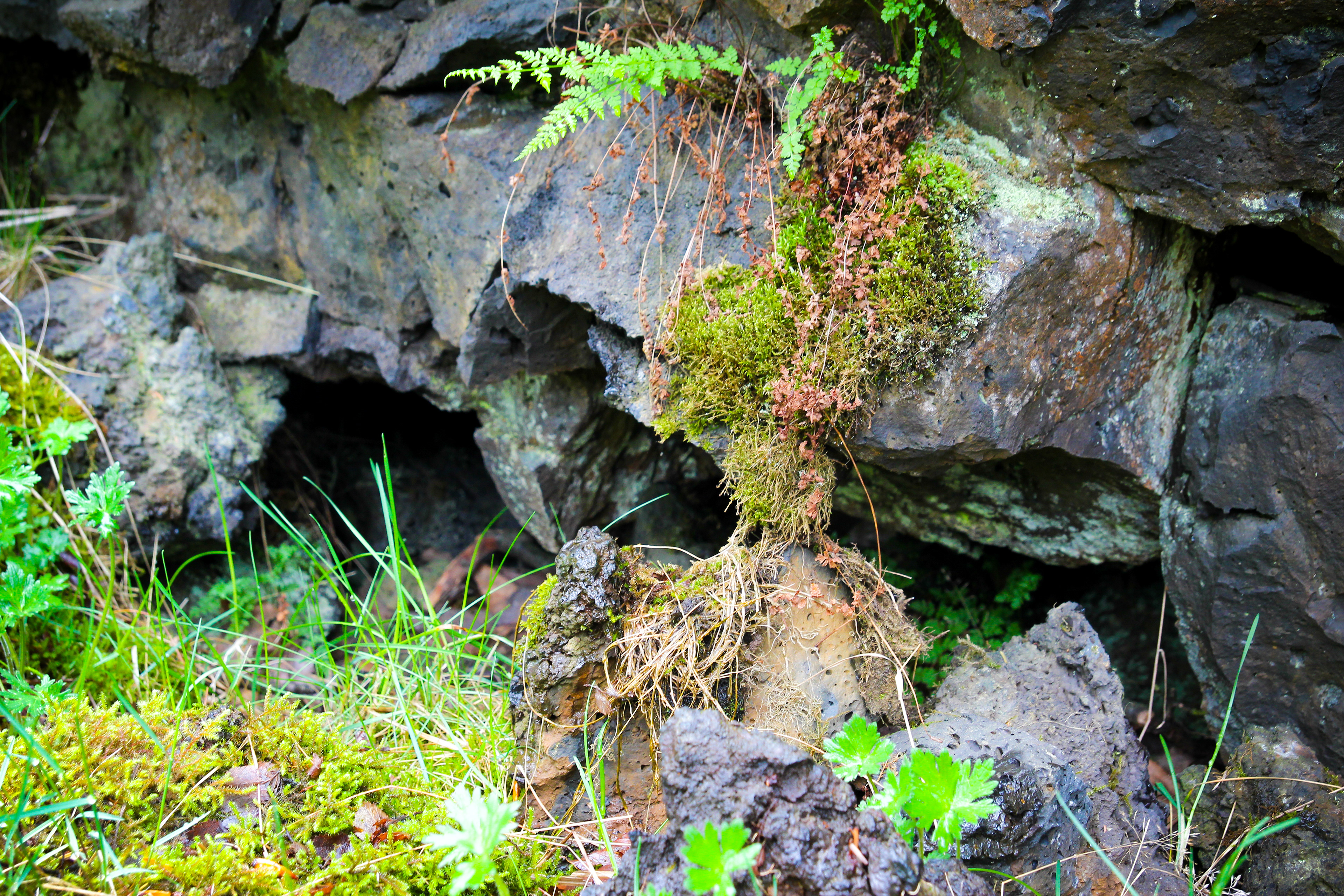
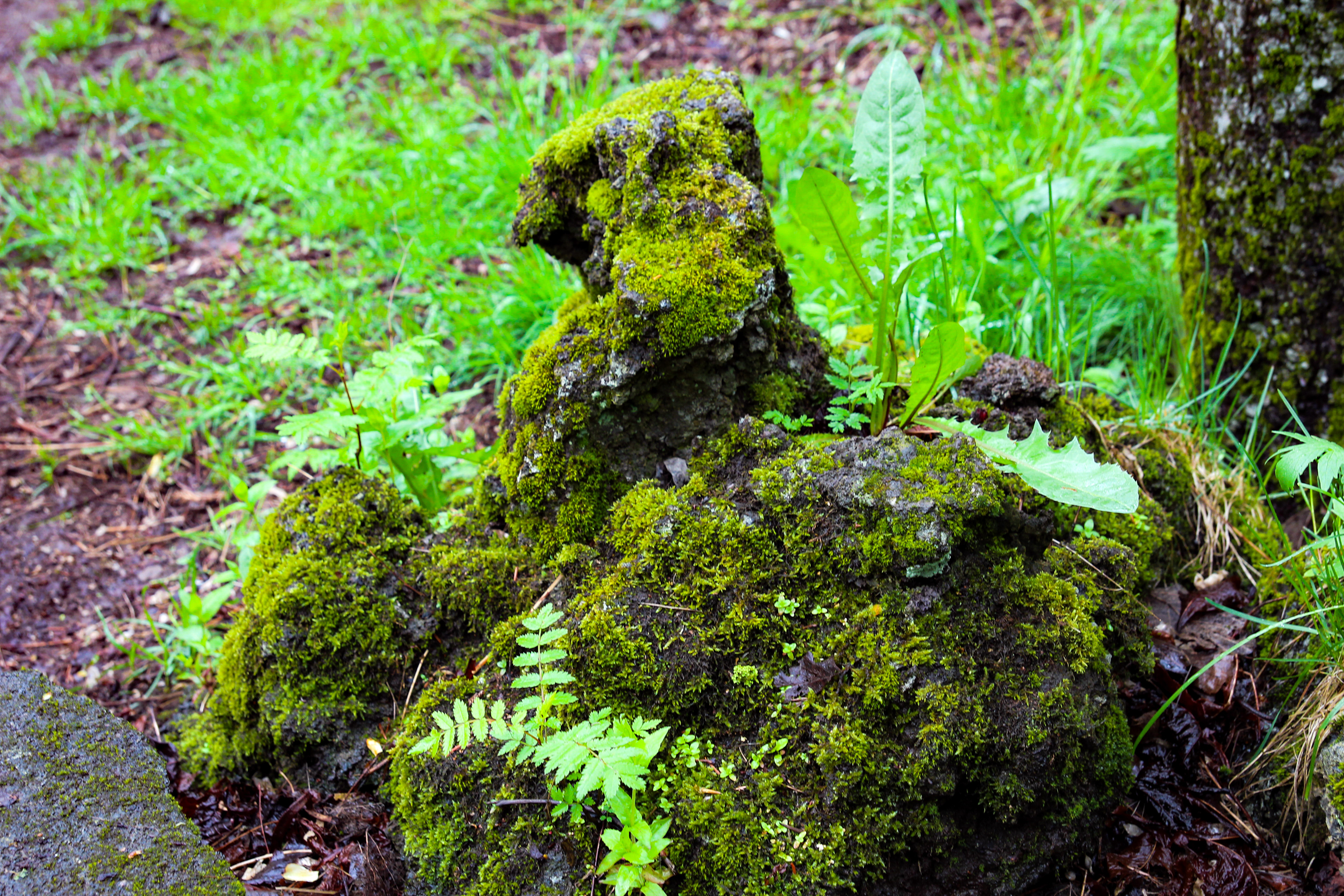
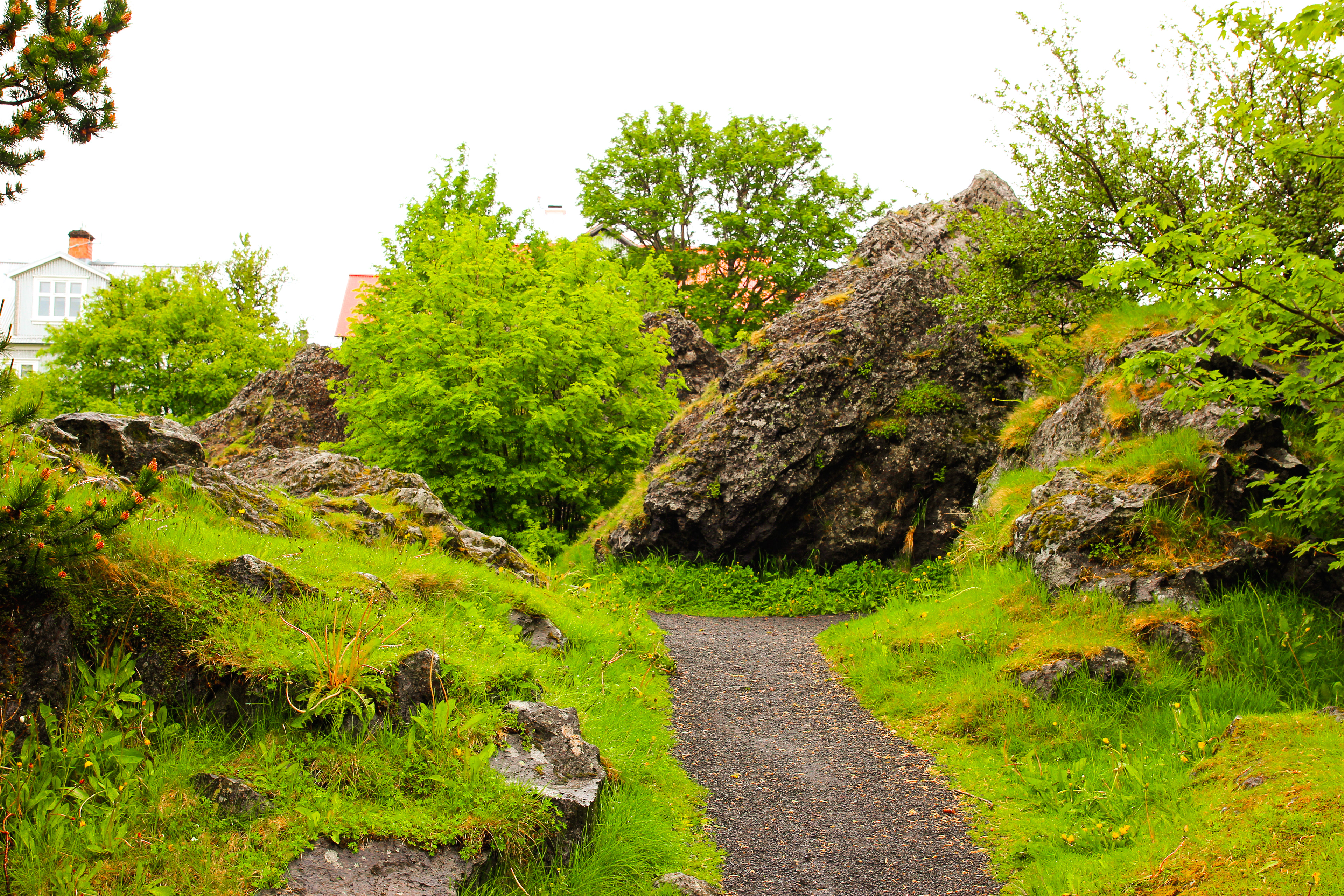
May 2017 at the Elf Park Reykjavik, Iceland
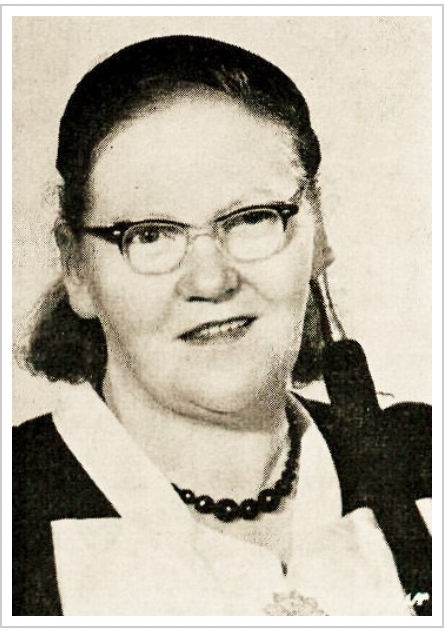
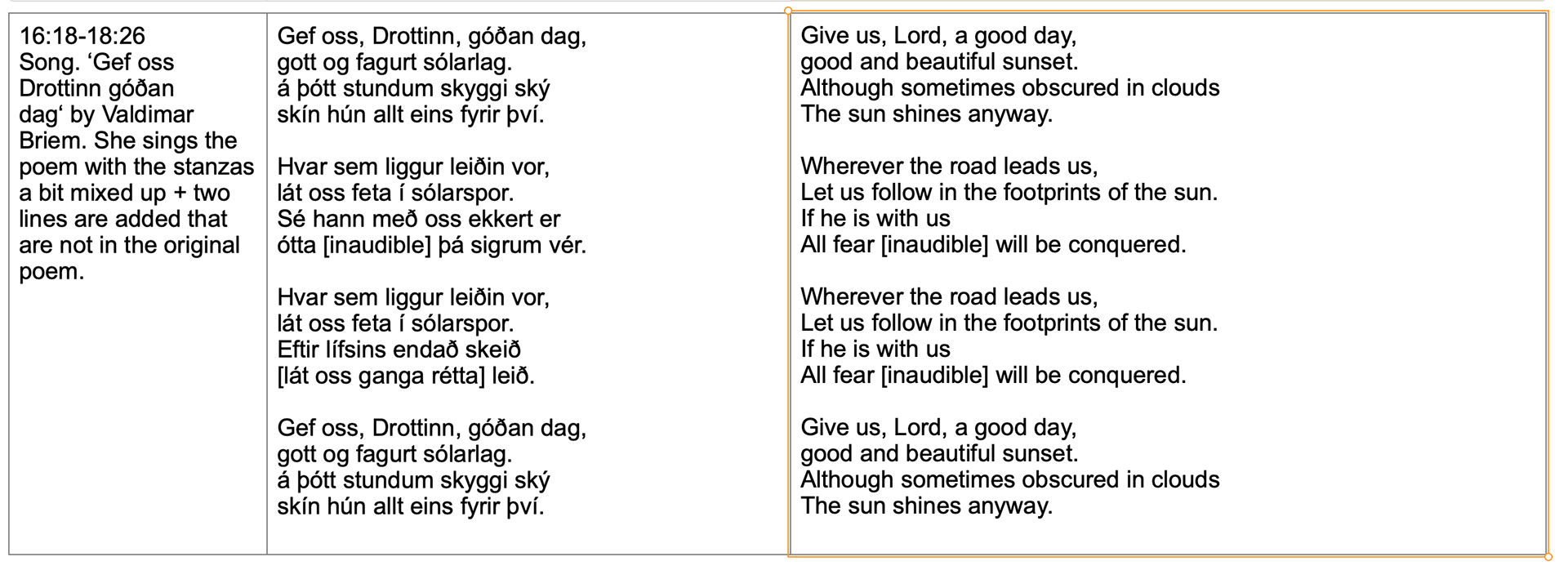
Translated from Ingibjorg Gudmunsdottir (1891-1994) singing about life after death, seeds emerging after frost and fire, and the second image, about footprints and shining light onto obscurity. Ingibjorg lived in Iceland during the same time as Ingunn Bjarnadóttir